
New Hidden Histories Partnership with Apple Podcasts
Apple Podcasts's new Hidden Histories guides focus on "surfacing little known histories tied to those places."
Apple Podcasts's new Hidden Histories guides focus on "surfacing little known histories tied to those places."

Archtober, NYC’s architecture and design month and an annual festival of architecture activities, programs and exhibitions, starts soon!
Explore a different building in NYC nearly every day of October on special architect-led tours!

Peek inside the historic 19th-century structures on a behind-the-scenes tour!


For nearly 200 years, the Gothic Revival structures of the General Theological Seminary have sat quietly behind an iron fence in the heart of Manhattan's Chelsea neighborhood. Now, the site's newest tenant, Vanderbilt University, is revitalizing the historic campus, opening it to students and New Yorkers alike.
The General Seminary was established in 1817 by the Episcopal Church and began construction of its New York City campus in the 1820s, completing the full build-out by the 1950s. In more recent decades, as the Seminary’s enrollment and finances declined, the institution sold off portions of the campus. Today, the block bounded by 20th and 21st Streets between Ninth and Tenth Avenues, contains multiple historic and new private residential buildings, in addition to the core educational facilities.
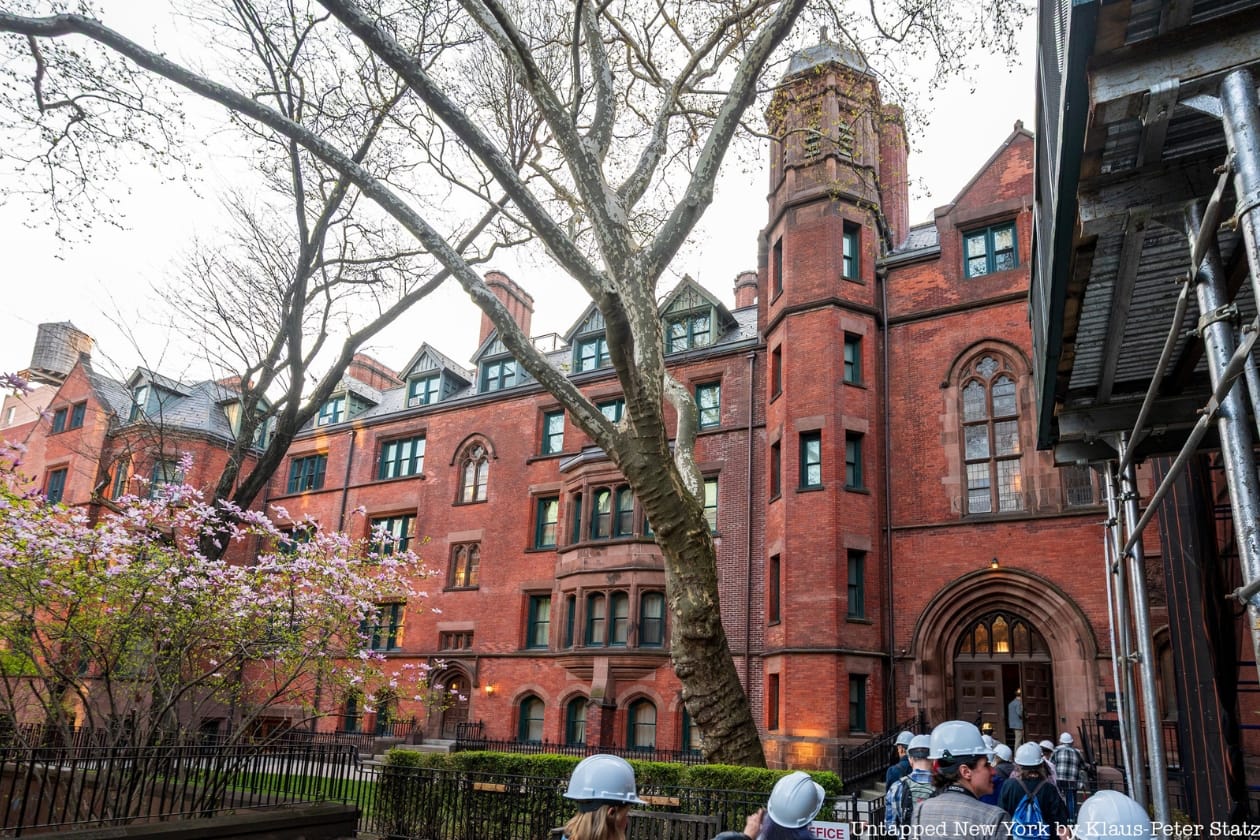
In 2024, Vanderbilt University signed a 99-year ground lease to take over twelve of the historic buildings that remain, plus the Seminary’s library space within the condo development on Ninth Avenue. The University will welcome students to the Chelsea campus in the Fall 2026 semester, after the completion of a first phase of preparatory restoration and renovation work by noted New York City architecture firm Beyer Blinder Belle.
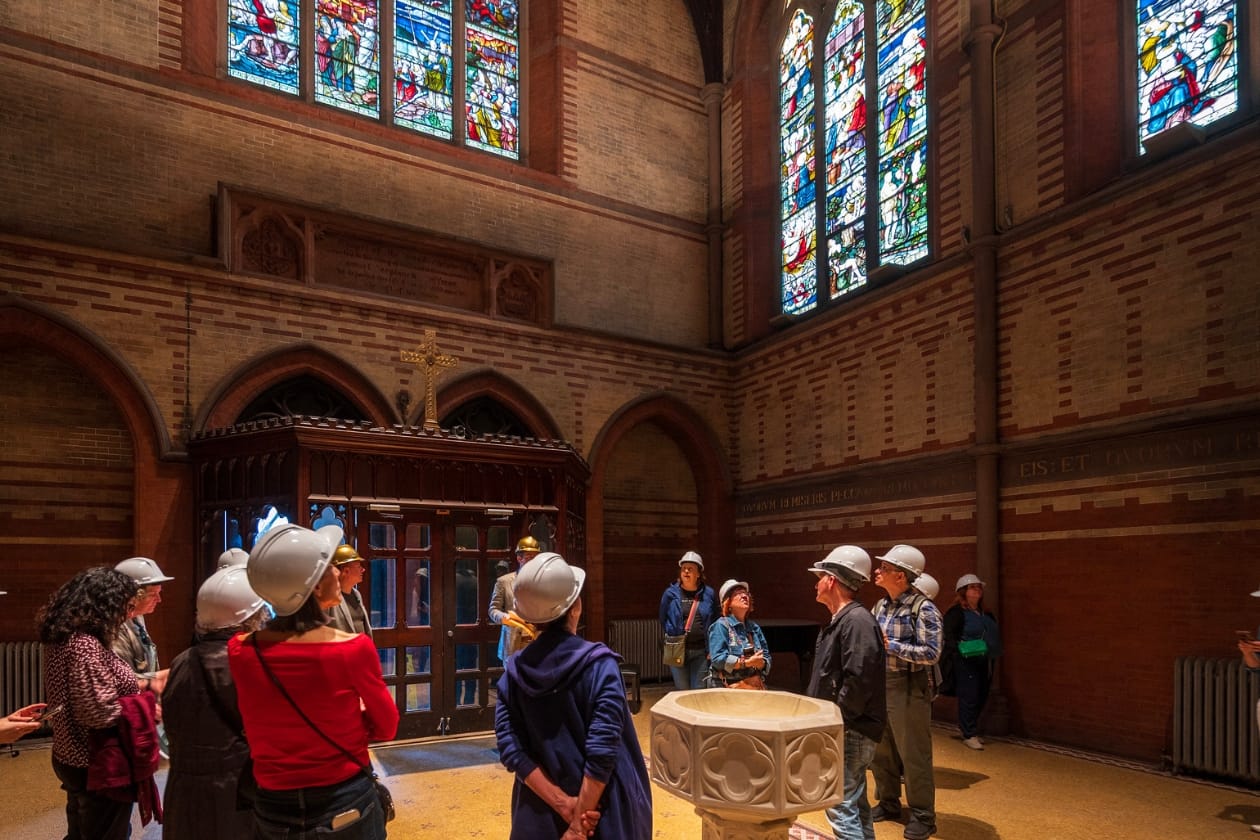
This spring, Untapped New York Insiders got a sneak peek at the work being done on an exclusive tour led by Beyer Blinder Belle partner Nathaniel Rogers with James Kellerhouse, Assistant Vice Chancellor for Strategic Initiatives and Executive Director of Operations and Engagement for Vanderbilt University–New York City. Join us for the next tour on June 29th and read on to discover what we learned!
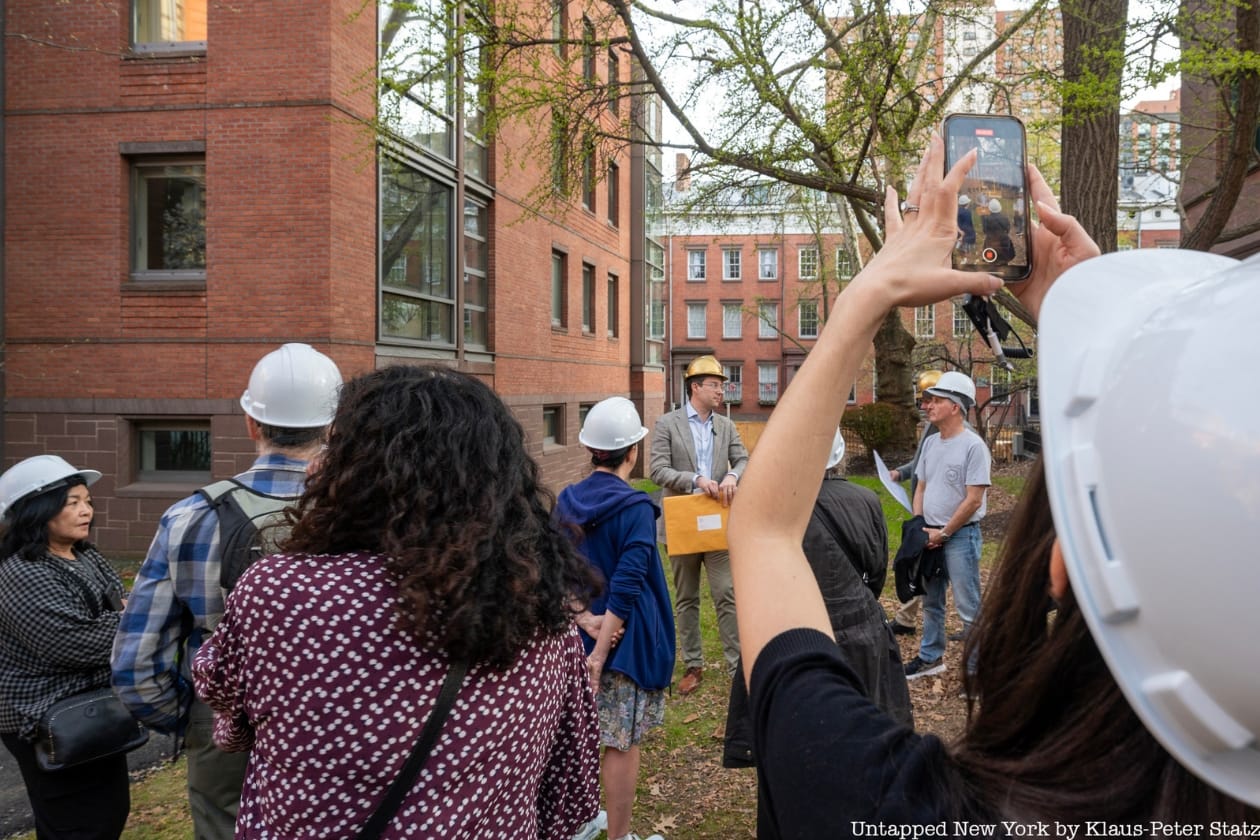
Monday, June 29th at 6 pm ET: Go inside the historic buildings on this Manhattan campus and learn about the future of this 200-year old site!
⭐ Free, Exclusively for Insiders & Explorers
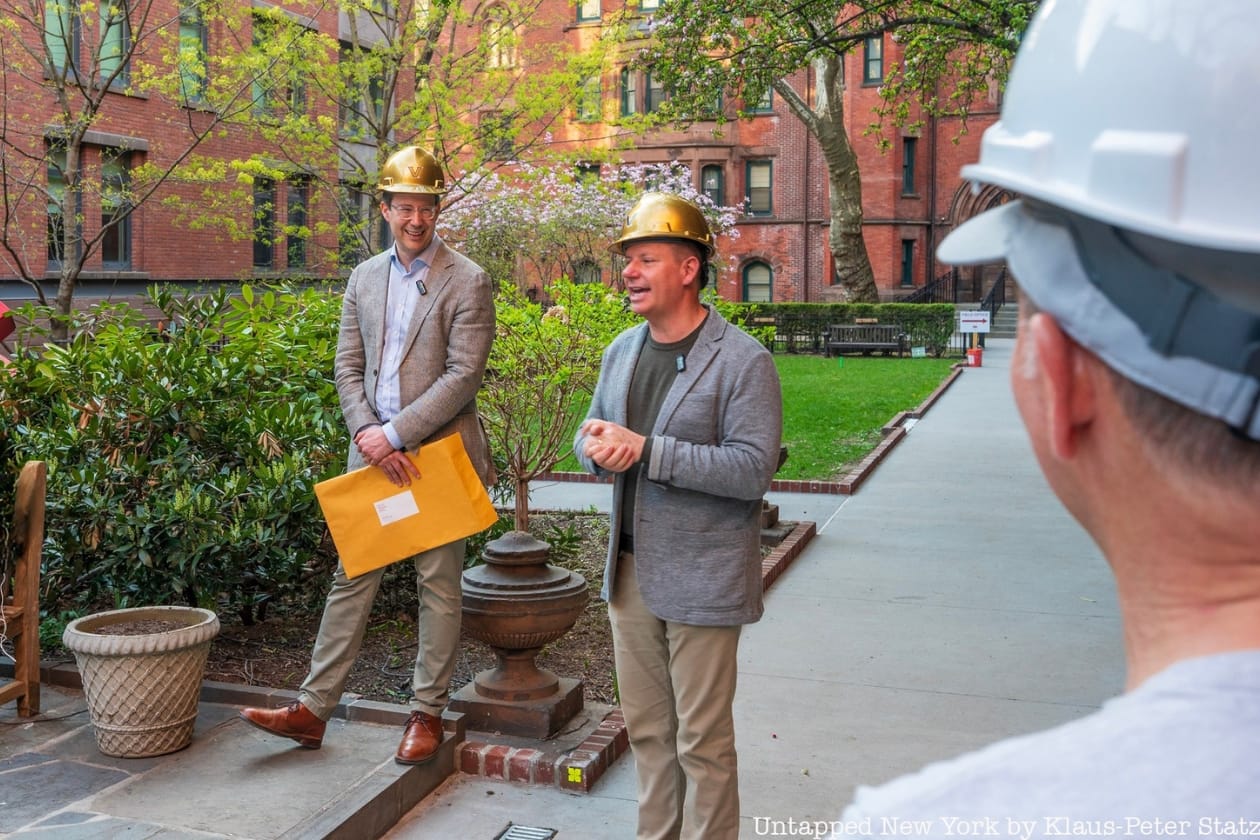
The campus sits on land that was once part of a sprawling Chelsea estate owned by a colonial New York family, the Moores. The estate, for which the modern-day neighborhood is named, stretched from what is now Eighth Avenue to the Hudson River, between 19th Street and 24th Street (though at the time, the street grid did not yet exist).
Clement Clarke Moore is largely credited as the author of the poem A Visit from St. Nicholas ('Twas the Night Before Christmas). It was his father's connection to the Episcopal Church that brought the seminary to their family land. Clement's father, Benjamin Moore, was the second bishop of the New York Diocese of the Episcopal Church in the U.S., and was also the fifth president of Columbia University.
In 1819, Clement donated 66 tracts of land from his family's estate to the Episcopal Church for use as a seminary campus. This land was once the family's apple orchard. While no apple trees remain, there is still a lovely green space at the heart of the campus. In the subsequent decades, Moore continued to develop his estate into residential properties, with the Seminary as its centerpiece.
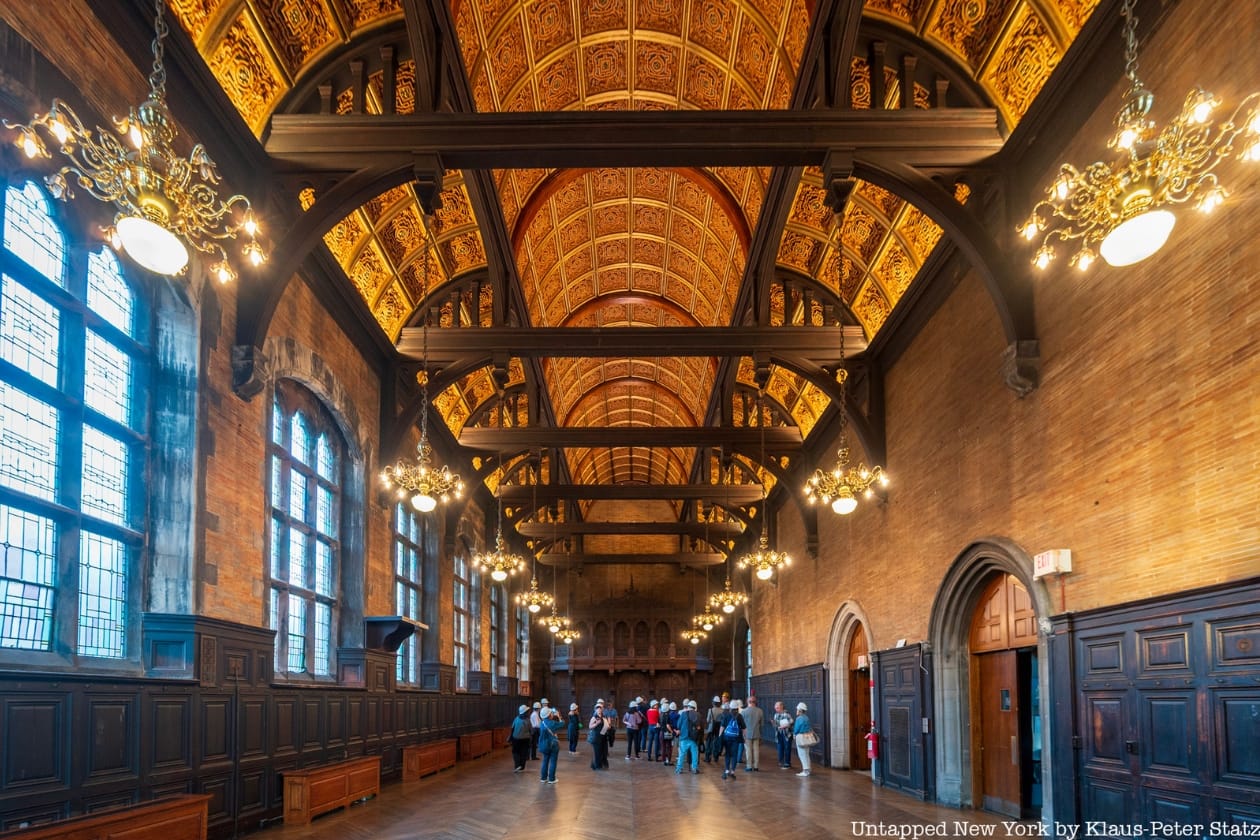
You don't need to be a Vanderbilt or Seminary student to enjoy the gorgeous Chelsea campus. Throughout the year, Vanderbilt hosts a variety of events that are open to the public. These talks, performances, and workshops take place at Hoffman Hall inside the Refectory, a stunning room that once served as the Seminary's dining hall.
Inside the grand room, you can admire original details from the late 19th century such as the ornate vaulted plaster and hammer-beam ceiling, coat hooks where Seminary students would hang their robes, a wood-burning fireplace, the dais where faculty would eat, and the musicians' balcony above, accessed by a secret door from an apartment in the adjoining building!
This space can also be rented out for weddings and other special events. Learn more about upcoming public programs or reach out to host your own experience here.
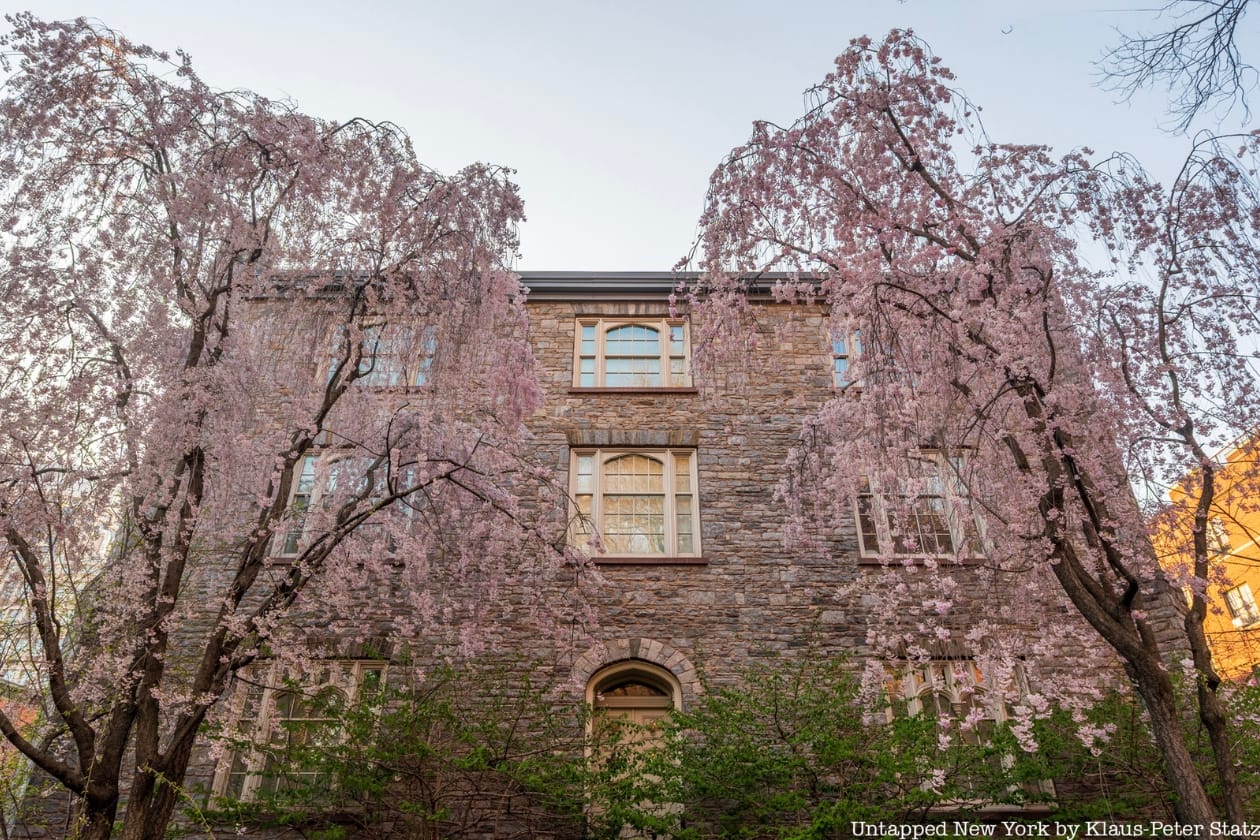
Since the 1820s, this block of Manhattan has seen many changes. The first iteration of the Seminary was just two buildings set in the center of the block: the East Building completed in 1827 and the West Building completed in 1836. While these two stone buildings served the Seminary’s needs for fifty years, by the 1870s the third Dean of the Seminary, Eugene Augustus Hoffman, was envisioning a much grander future.
Hoffman commissioned architect Charles Coolidge Haight to lay out an entirely new plan for the site. Haight's plan included a series of more than a dozen structures laid out in an "E" shape, with all of the buildings set on the north edge of campus, along 21st Street. The southerly exposure of these buildings would take advantage of the natural light and green space on the rest of the block.
Unfortunately, Haight's plan necessitated the demolition of the original East Building, but the West Building still stands. After its sale in 2011, the stone structure was converted into luxury condos as one half of a residential development at 455 West 20th Street. Today there is a mix of buildings from the 1830s, 1880s-1900s, 1930s, 1950s, and early 2010s on the block, but it still maintains much of its 19th-century charm. On our tour of the campus, we enjoyed sitting under the shade of the cherry blossom trees that frame the West Building's eastern facade.
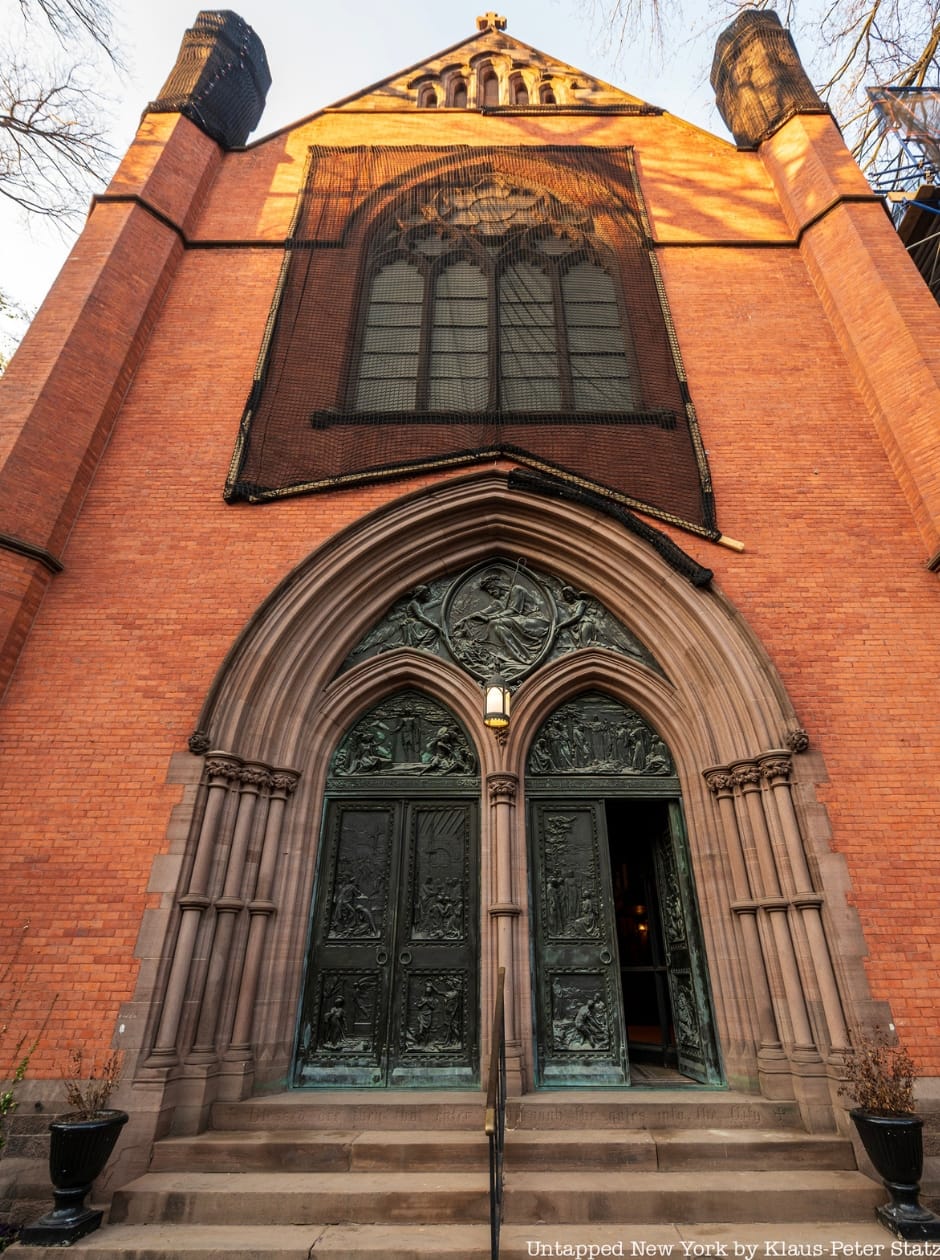
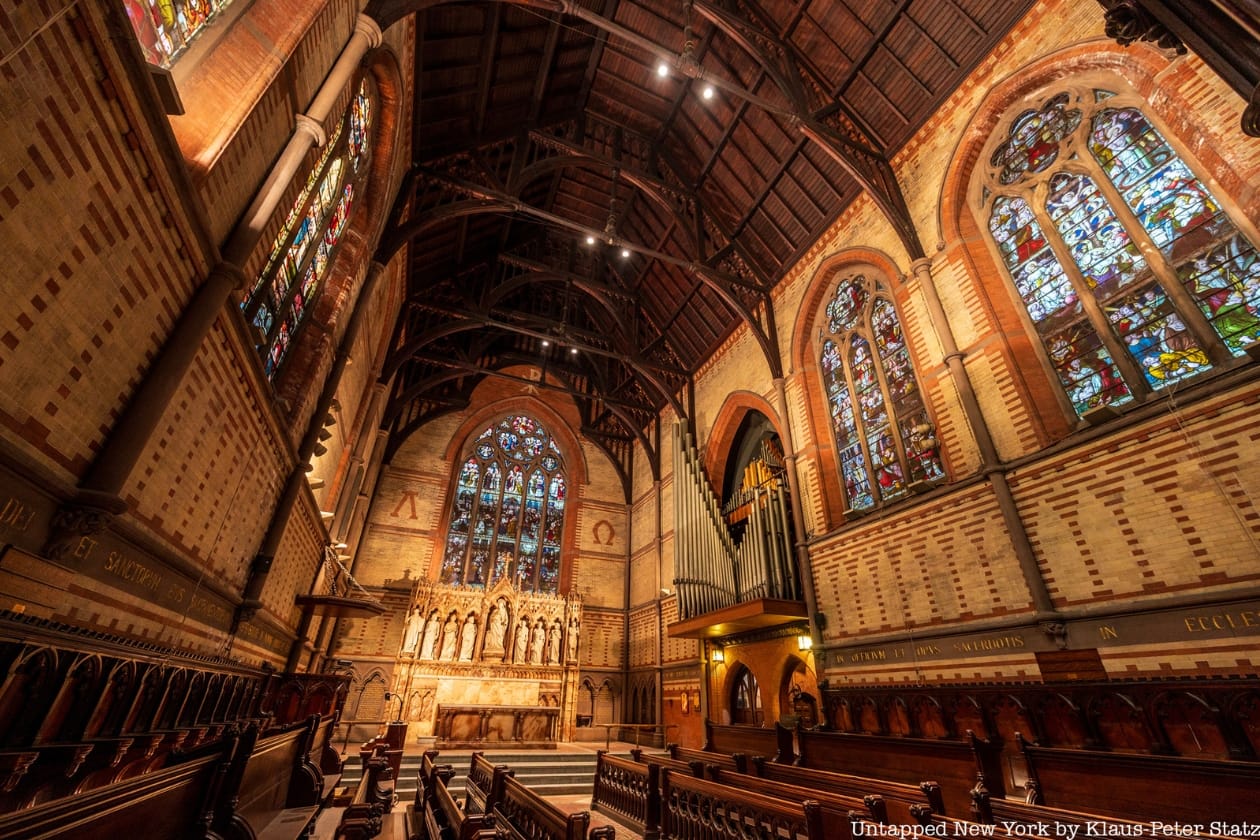
Between 1885 and 1905, Haight designed and built over sixteen buildings for the seminary campus. To imbue these structures with academic gravitas, he drew inspiration from some of the world's most respected institutions, especially for the centerpiece of the campus, the Chapel of the Good Shepherd, constructed in 1886.
For the chapel's tower, Haight looked to the square, spire-topped medieval tower of Magdalen College at the University of Oxford. Inside the chapel, Haight channeled the English architect William Butterfield. Butterfield used polychromatic mixes of bricks in his design of Oxford's neo-Gothic Keble College, and you can see a similar pattern inside the Chapel of the Good Shepherd.
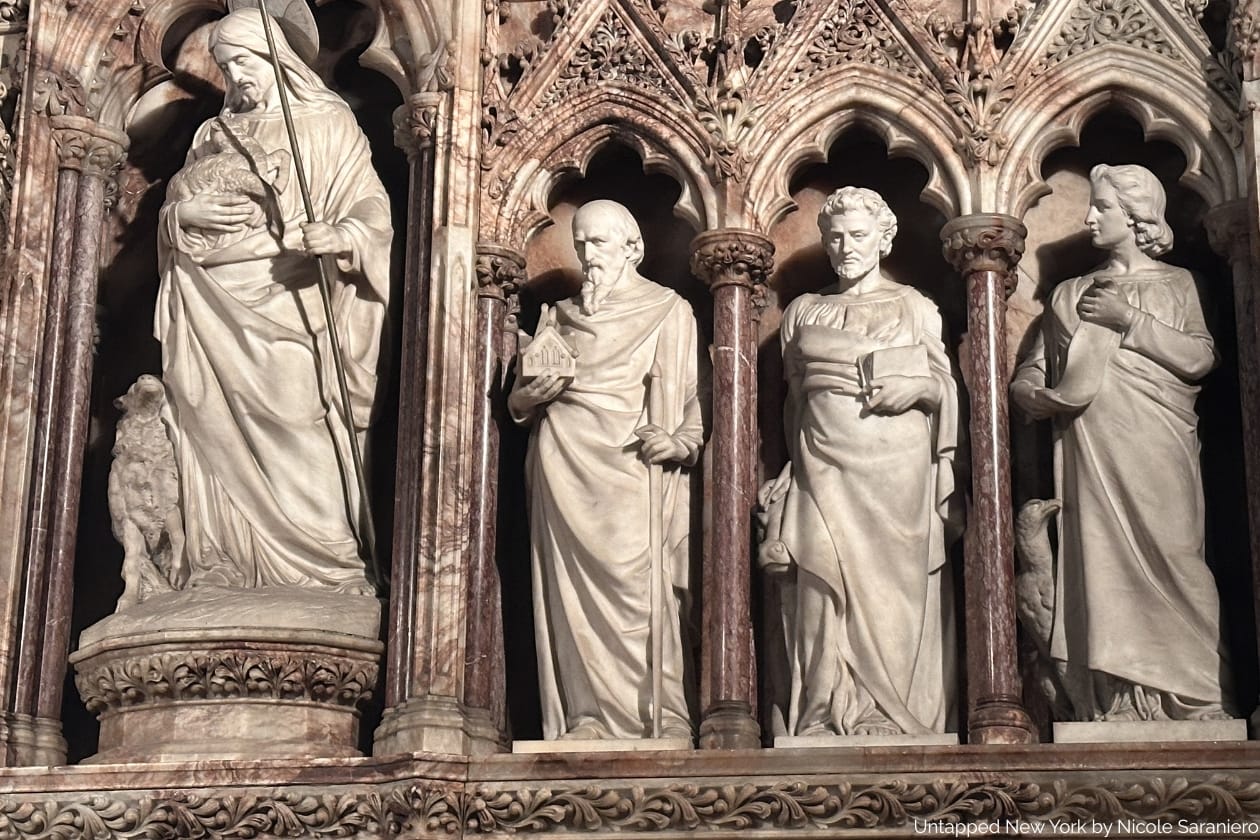
Haight was proud of his work at the seminary and became a permanent piece of the campus. Inside the chapel, behind the altar, you'll find a sculpture of Haight in the ornate stone reredos. Just look to the right of Jesus, in the spot traditionally reserved for St. Paul, and you will see that St. Paul is modeled after the architect and is holding a miniature chapel.
Uncover even more hidden gems of the campus when you join us for a behind-the-scenes tour!
Monday, June 29th at 6 pm ET: Go inside the historic buildings on this Manhattan campus and learn about the future of this 200-year old site!
⭐ Free, Exclusively for Insiders & Explorers
Subscribe to our free newsletters
Free Newsletters
Get the best stories and things to do sent straight to your inbox.