

Secrets of NYC
✉️ The Lost Pneumatic Tube System at the NYSE
Long before fiber optics and wireless networks, bursts of compressed air kept Wall Street moving.
Long before fiber optics and wireless networks, bursts of compressed air kept Wall Street moving.

A new exhibit explores the unrealized, extant, and lost projects of this prolific NYC artist!


Uncover the unexpectedly quirky features of this downtown office building!

Every month this year, Untapped New York will release a new essay from Jo Holmes about the life and work of the late architect Richard Roth, Jr. of Emery Roth & Sons. Each essay explores a different building or developer from Richard’s career, intertwined with stories of his personal life and snippets of exclusive interviews conducted by Holmes and Untapped New York's Justin Rivers (which can be viewed in our on-demand video archive). Check out the whole series here!
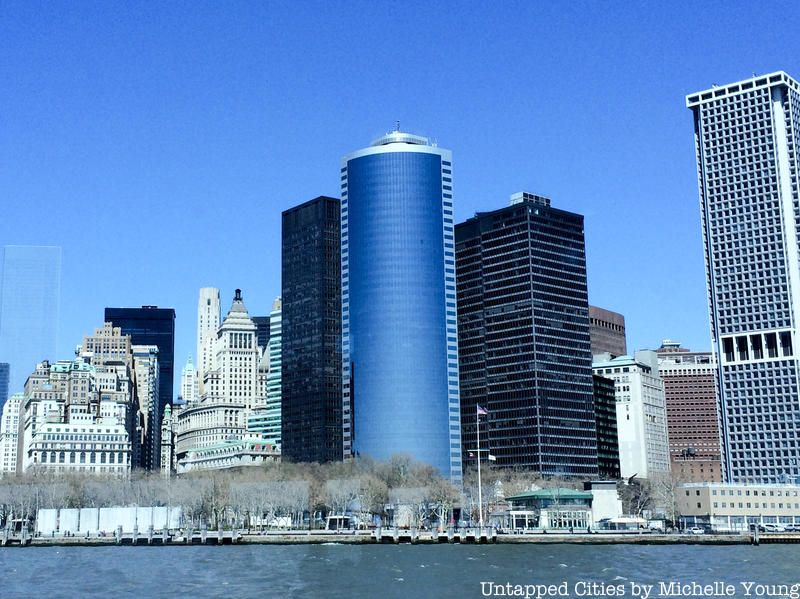
77 Water Street in lower Manhattan was the second project Richard Roth Jr. worked on with eccentric developer Mel Kaufman. The 26-story office building has some unusual features—the kind of visual ‘jokes’ which became Kaufman’s trademark. The two men became good friends through their work. Richard likened Mel, ten years his senior, to his ‘fairy godfather’ as the developer brought so many projects his way. That’s not to say it was all smooth sailing. It was surprising they ever got together in the first place.
Join architectural historian Andrew Alpern for a peek inside his new book on the work of Emery Roth, Richard Roth Jr.'s grandfather!
Virtually explore iconic buildings like the San Remo, the Ritz Tower, the Beresford, and more!
That Richard and Mel ever worked together was an unlikely turn of events. During the New York building boom of the late 1950s, seven real estate family firms built 75-80% of the commercial properties in Manhattan. “Emery Roth & Sons worked with six of them, and we did all the buildings for three of them,” said Richard. “But we’d never worked with the William Kaufman Organization.”
Mel’s father, William, and Richard’s grandfather hadn’t gotten along very well, and Richard’s father and Mel didn’t get along either. In fact, Richard Sr. went so far as to say they couldn’t stand each other.
So, it came as a shock when Mel contacted Richard Jr. out of the blue.
“I went into my father and said, ‘Mel Kaufman just called, and he wants to interview us.’ And my father said ‘No, he doesn’t want to interview us, he wants to interview you…'”
So, the two men met. “We went through our brochure–I felt like I was selling clothes. He saw a building I had designed a couple of years before that never got built, for the Wilmington Bank & Trust Company in Wilmington, Delaware. It was kind of a Yamasaki-like building,” Richard described. Mel decided he wanted it for a lot at 437 Madison Avenue. Though the design comprised only ten stories, zoning rules allowed for another 20 to 30. Richard pointed out the shortfall. “Mel said, ‘Well, I'm sure you can do it.’ So, he hired me, and he liked the building, and I liked Mel.”
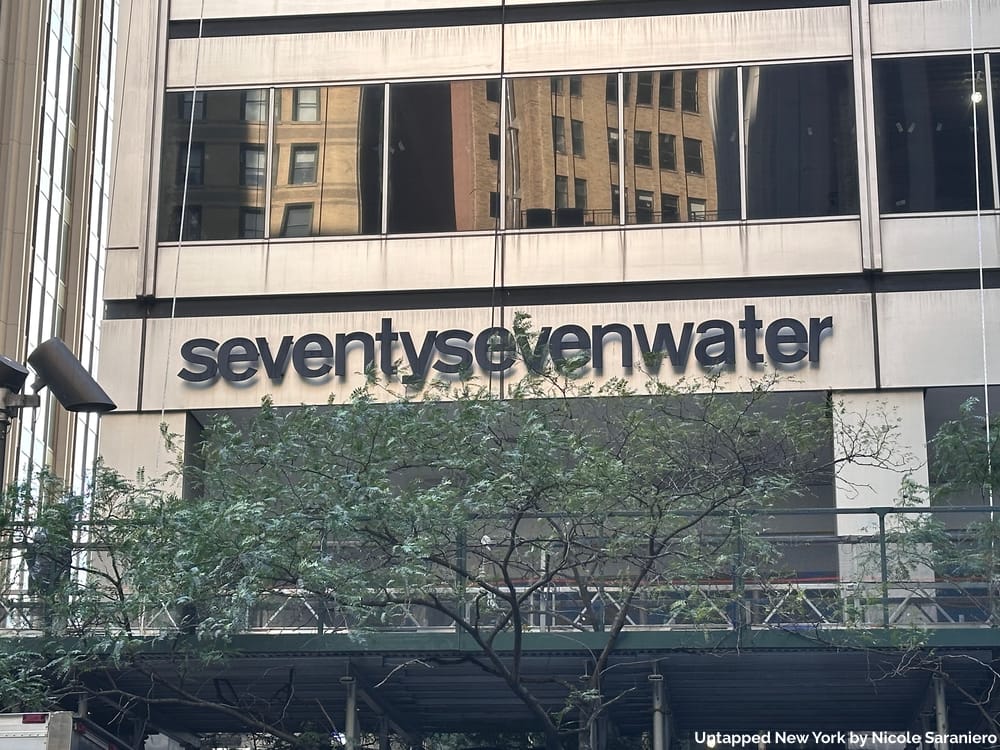
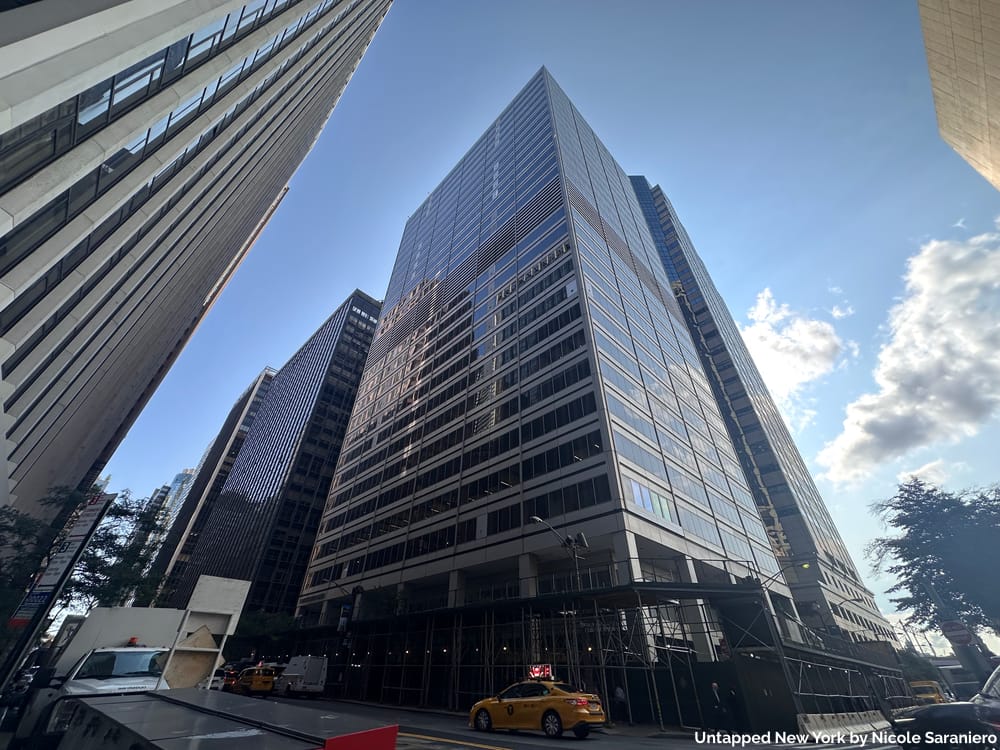
Richard recollected that things got off to an interesting start with 77 Water. “I sent Mel the contract. Now, our standard contract in the office was about 18 pages. Very simple, very direct. It basically said what we wouldn't do. I got a contract back from Mel’s lawyer that was probably 200 to 300 pages. I called Mel up and I said, ‘Mel, your lawyer just sent me your contract…You're not paying me enough money for me to read this,’ and he said, ‘I agree with you. I'll sign your contract.’”
The building had what Richard described as a ‘Miesian-type skin’—in other words, a minimalist glass and steel exterior. So far, so ‘ordinary.’ But Mel decided to put something on the roof, visible only to people working on higher floors in surrounding taller buildings. He commissioned a life-size model of a World War I airplane (a Sopwith Camel). It was assembled off-site and lifted into position by crane.
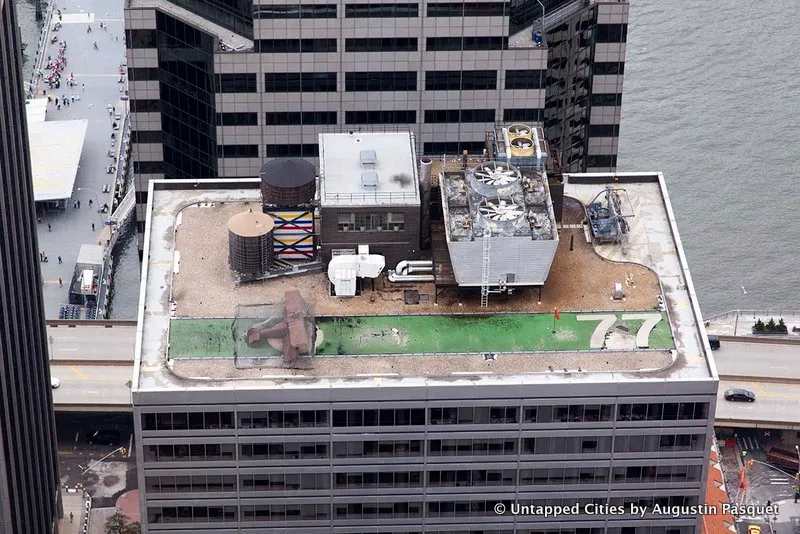
The plane caused quite a headache for Richard as the building’s construction neared completion. “I got a call from our building department man one day, and he said we couldn't get a temporary certificate of occupancy for the building because we'd got an open runway on the roof and that was illegal,” Richard explained. “I said: It’s not a real airplane. He said, 'It still looks like a runway. It’s got a number on it.'" Richard suggested putting a cross on the runway would show it wasn’t in use. The building commissioner agreed. “He said, 'Send me a plan with an ‘X’ and you’ll get your certificate of occupancy.'” It’s unclear whether there’s ever been an X on the roof itself…
Mel wanted to entertain at ground level, too. He didn’t like retail space and especially disliked the trend of having marble and granite lobbies, telling The Times in 1971, “Marble and travertine mausoleums are bad for the living and terrific for the dead.” For 77 Water Street, he wanted a space open to the elements. Richard asked him what would happen in winter. Mel’s idea was to have revolving doors you could move in and out of, according to the season. (Following 9/11, it was necessary to enclose a lobby area.)
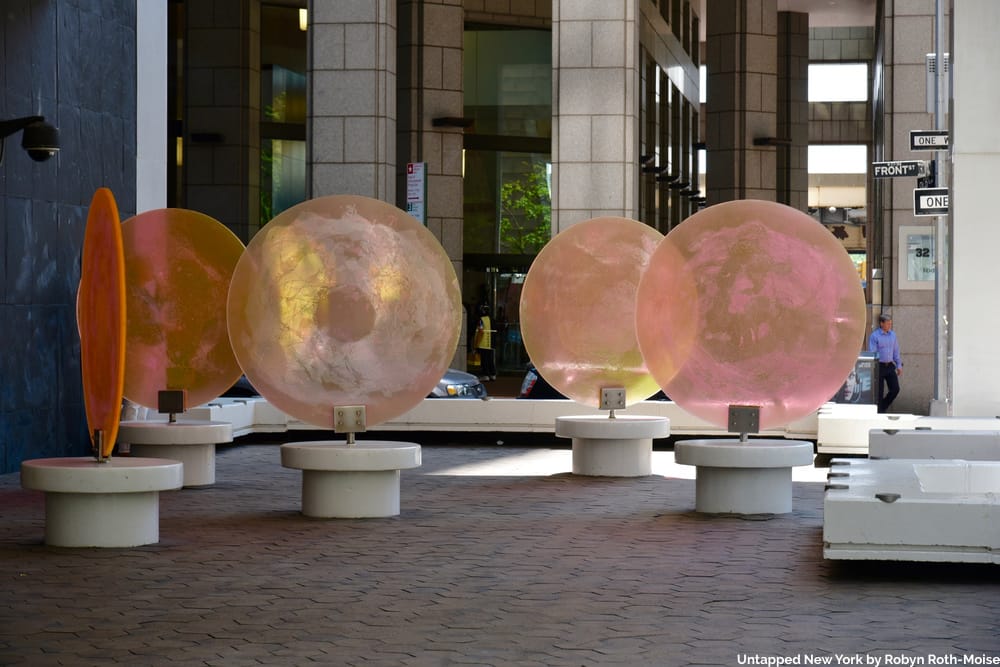
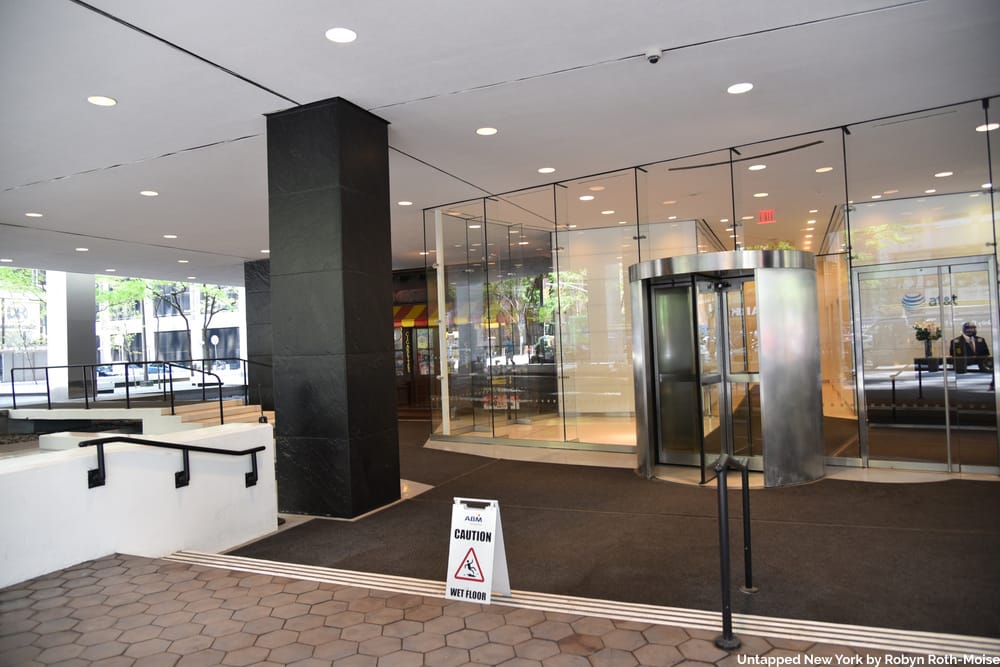
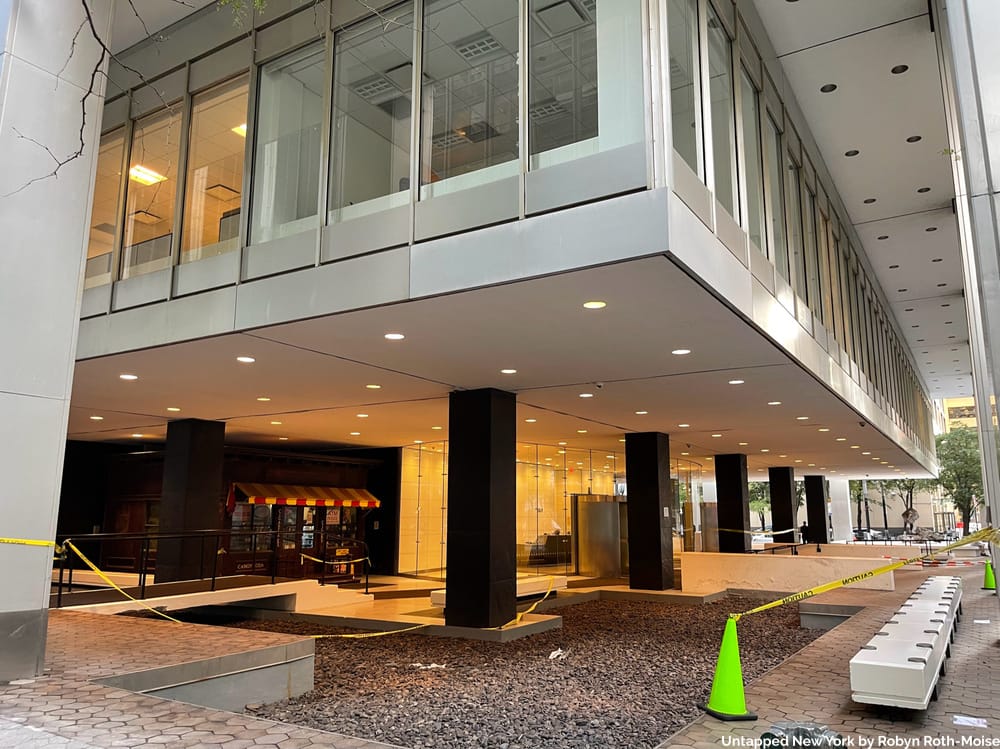
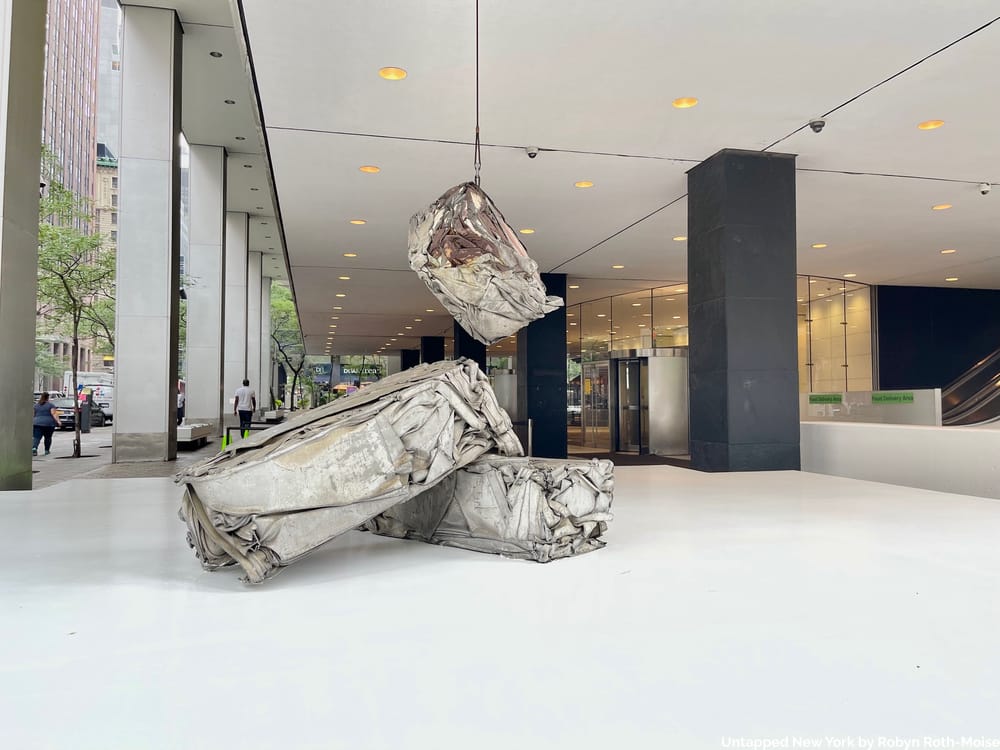
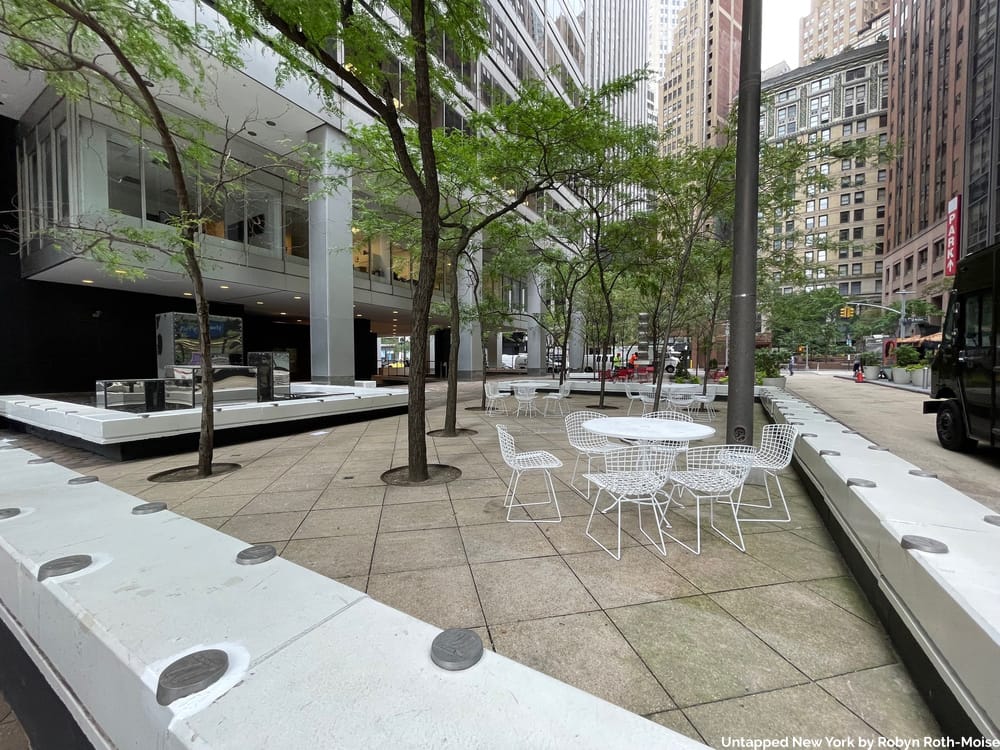
77 Water Street before recent construction
Having created a large plaza, Mel and Richard decided to soften it by planting nearly 60 trees. “The trees arrived on a Friday evening after everybody had gone home, and the only person there was a nightwatchman,” said Richard. “A second truck pulled up later, and the new truck driver said, ‘Thirty of the trees are diseased, we've got to take them back’. So, they took a bunch of the trees that had just been delivered and put them on the second truck and had the nightwatchman sign a piece of paper. Monday came, and somebody said, 'Where are all the trees?'" Richard said the nightwatchman innocently explained they’d been taken away because they "weren't any good." The thieves were never traced.
Other quirky features included an old-fashioned candy store, artificial streams, and footbridges. According to The Municipal Arts Society, Mel said his goal for 77 Water was “to make the building disappear…The scale of any large office building is impossible for a human being to relate to. Our plaza is inviting, exciting, warm, and friendly. It makes people forget they’re at an office building.”
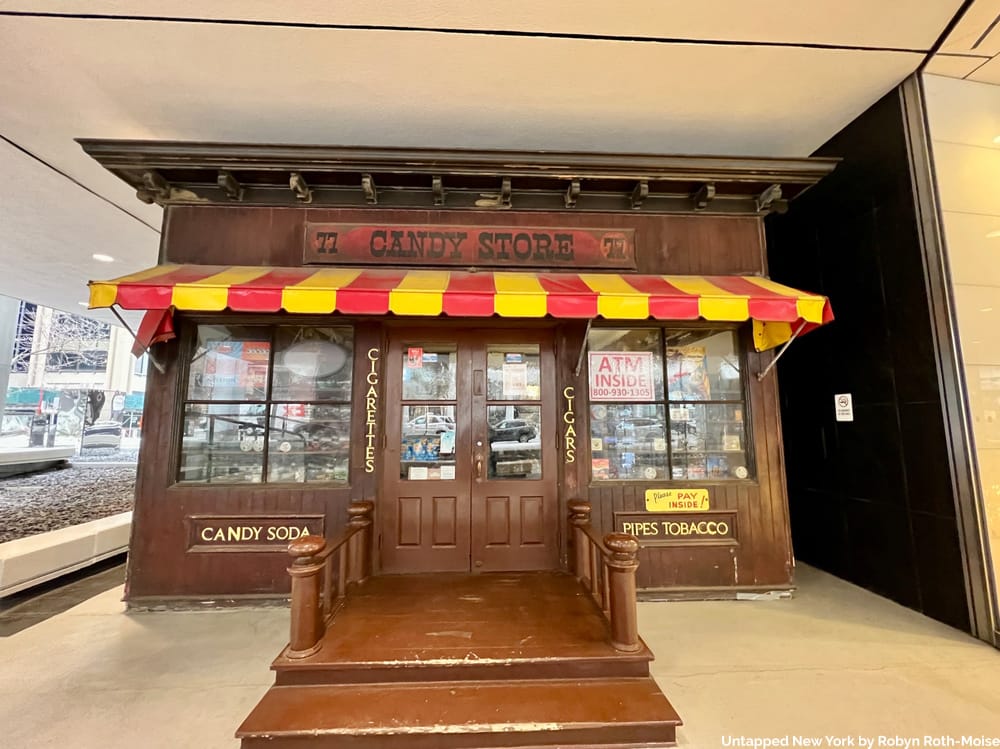
The office building is currently being transformed into roughly 650 rental apartments. From peeking through the construction barriers, it appears that all of the art installations at ground level have been removed, and when we visited the site in September, the inside of the store was empty and the lights were off.
A representative from Vanbarton, the building's current owner, confirmed that the candy store has closed and the owner is operating a convenience store at another location. The airplane model on the roof has sadly been deconstructed. "As part of our redevelopment process, we carefully explored options to preserve or repurpose the rooftop plane model and the candy store," Vanburton's statement reads, "Unfortunately, both were in a very advanced state of deterioration, making restoration unfeasible...While they could not be saved in their original form, we appreciate the fond memories and community connection to them, and are committed to honoring the character and history of the building as we move it into its next chapter."
Robyn Roth-Moise, Richard Jr.'s daughter, will miss the character of Kaufman's buildings. "The novelty of his lobbies is all but gone, his crazy sidewalks that would bring a smile are all gone. He provided public art that amused and entertained," she remembers. "It's a shame that the plane was not taken care of. I know things can’t and don’t stay the same, but I mourn these losses."
After 77 Water Street, Richard and Mel worked together on 747 3rd Ave. “Mel decided that everything that goes through the lobby, like the air conditioning and the plumbing, would be exposed. So, the lobby became like walking into some type of building workshop,” Richard said.
“We had two revolving doors, and when you walk through a revolving door, there's a space between them.” Richard suggested putting a life-size nude in the space in between them. “Since you always go in the right one and you come out the left one, you're always facing away from where the nude is.” He wasn’t serious, but Mel thought it was a great idea! And Richard’s theory worked. “A friend of mine, Bud, ended up working in that building. After he’d been there a year, I said ‘Bud, have you ever noticed the nude?’ He said, ‘What nude?’"

Mel wanted the plaza to have a ‘hilly’ landscape. Richard wasn’t happy. “I knew people would be tripping and falling…and suing. I said to him, 'If you're blind, you got big troubles here.'"
The next building the pair worked on together was at 127 John Street, or rather, 200 Water Street. Mel wouldn’t buy a site where he couldn’t have a ‘7’ in the address, so the main entrance was on Water, but the official address was around the corner. The lobby was like a Quonset hut and included a neon-lit tunnel and elevators. The mechanical floors were painted in wildly bright colors. And Mel had a sculpture of himself in a chair reading a paper installed on the plaza. “After the eighth or ninth time the 1st Precinct had been called about a dead person on the plaza, the NYPD asked Mel to please remove it,” laughed Richard. (The other features have long been updated, too.)
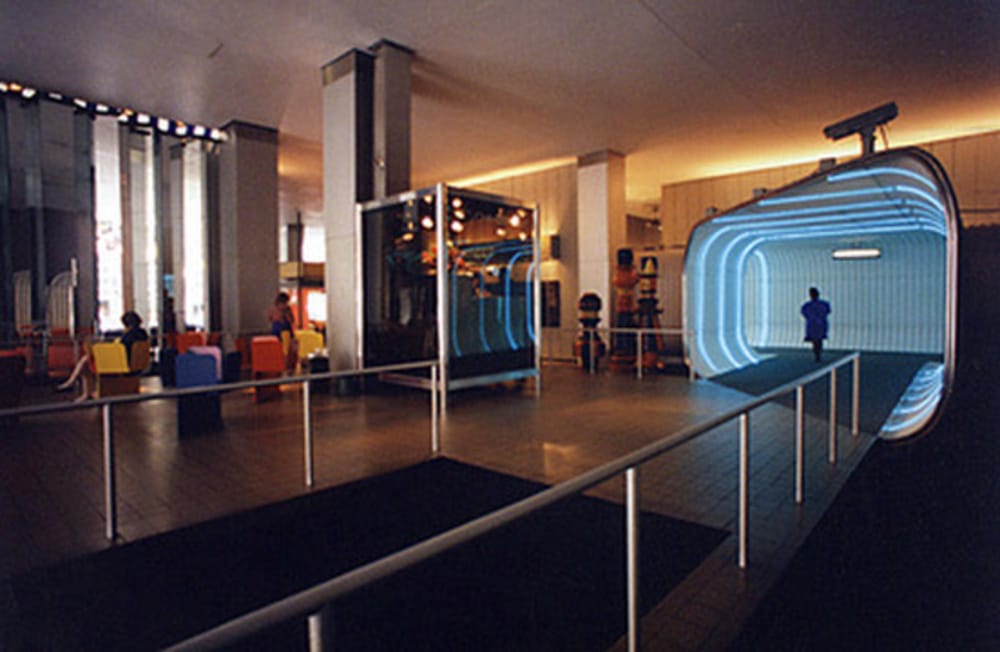
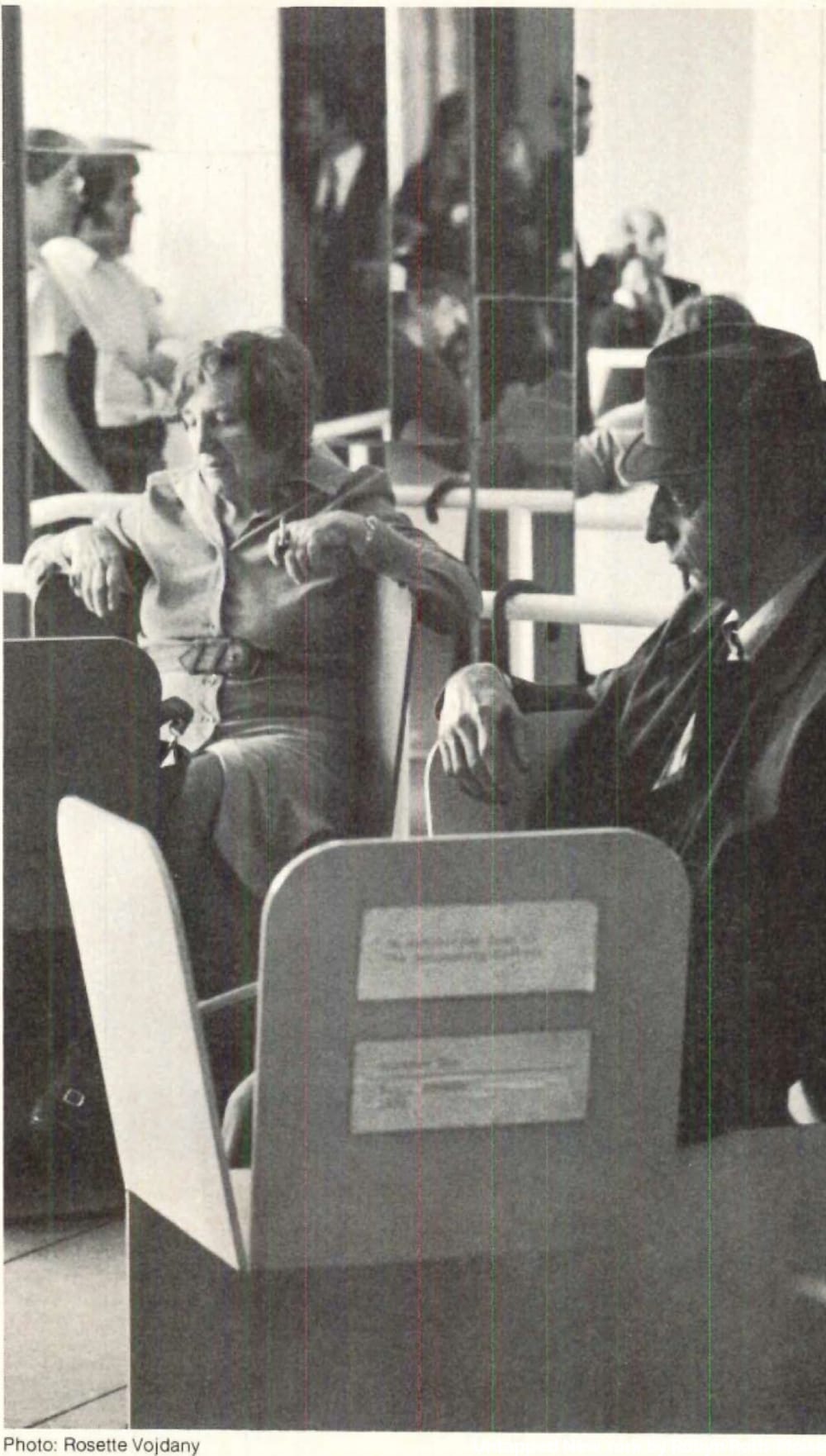
Photos Courtesy of the Roth Family Archives
The last building Richard worked on with Mel was 17 State Street, which will be covered later on in this series. The building was, and is, distinctive for completely different reasons.
Richard said Mel really kept them interested. “He truly allowed you to think outside the box, when for most clients in New York, you had to think inside the box, because the buildings were basically boxes!” With a giant chess set, outsized swing, and futuristic clock among his unorthodox components, his buildings are useful ‘landmarks’ for New Yorkers.
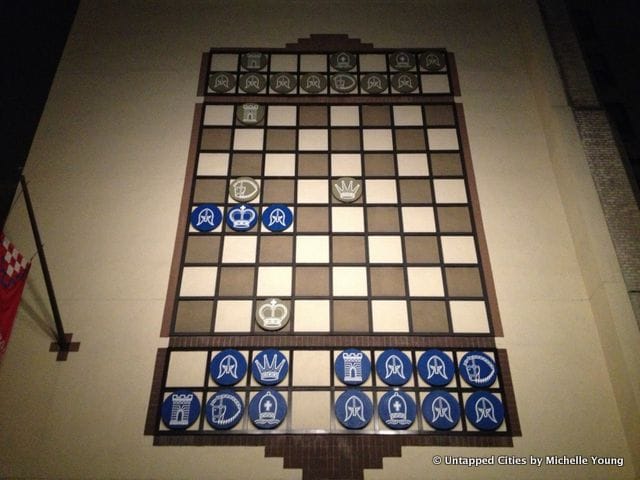
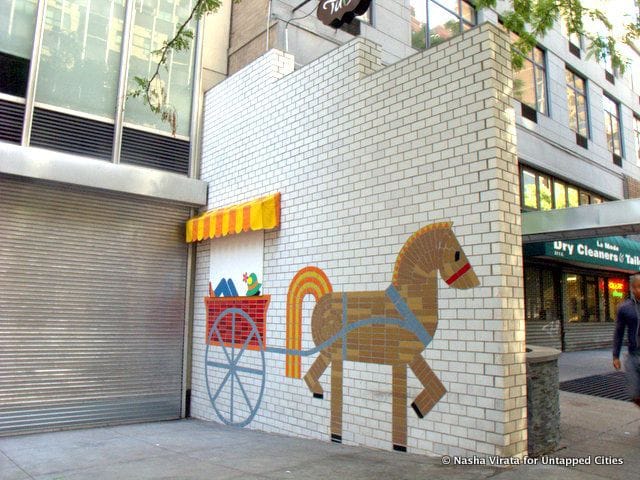
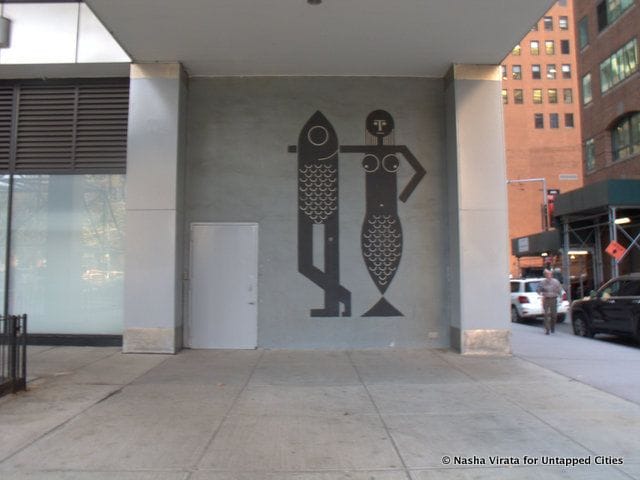
Quirky Features of other Kaufman buildings in NYC
Richard also got Mel involved in a project that would lead to a new role for the developer. Richard was teaching a class at Cornell. “I was the visiting critic in the 4th year class...And I decided it would be good for the kids to listen to somebody critique their designs besides an architect.”
Richard invited Mel to come up one day. “He kind of pooh-pooh-ed it, but then he said, ‘Why not?’ So, Mel came up, and we must have spent about eight hours there! Mel went out and bought pizza and beer for everybody. And had a ball.” Richard suggested Mel enjoyed having a captive audience. Mel then got a job at Pratt and other schools as a visiting critic. In this role, he met artists he commissioned to create pieces for his buildings, including lighting designer Howard Brandston, graphic designer Rudy de Harak, and sculptor Pamela Waters.
Exactly why Richard Roth Sr. was initially hostile towards Mel is unclear. Richard said his father could be somewhat ‘strait-laced’, and Mel was the opposite. “Mel had the foulest mouth,” said Richard. “The only person I knew who had a fouler mouth was Donald Trump.”
As time went on, things changed. “Mel was unique. A lot of people thought he was crazy (which is possible!). I mean, I loved the man. And he got to love my father. In fact, when my father was honored at a charity event before he retired, Mel was asked to do the dedication. He wrote the most beautiful, heart-warming speech about my father, calling him one of the great architects.” At the end of the day, though, Richard Jr. was keen to emphasise that Mel was his client. Not only that, but he was his favorite client.
Subscribe to our newsletter