
Insiders Events
The Guastavino Vaults of St. John the Divine Tour
Explore the Guastavino tilework of NYC's largest Gothic cathedral from above and below!
Explore the Guastavino tilework of NYC's largest Gothic cathedral from above and below!
Get an inside look at the FDNY's Marine Division with author David A. Rocco!

Toast to a yearlong celebration of the hotel's 100th anniversary with a special access event featuring the architect's great-granddaughter!


Since “Hamilton,” the hit musical following the peaks and valleys of Alexander Hamilton’s life, graced Broadway in August 2015, Alexander Hamilton, born in 1755, found a revival in pop culture. Few, however, know the secrets of the house some believe to be the only home Hamilton owned: Hamilton Grange.
Since Alexander Hamilton and his wife often spent time apart from each other, they sent letters to each other to stay in touch. According to the Museum of the City of New York, Hamilton wrote to Elizabeth about his "sweet project." Once reunited, he revealed his plans for this country home, built in 1802 in Hamilton Heights by John McComb Junior.
Now considered a National Memorial, the lower level of the home contains a theater, visitor center, and exhibit space that are open to the public for free.
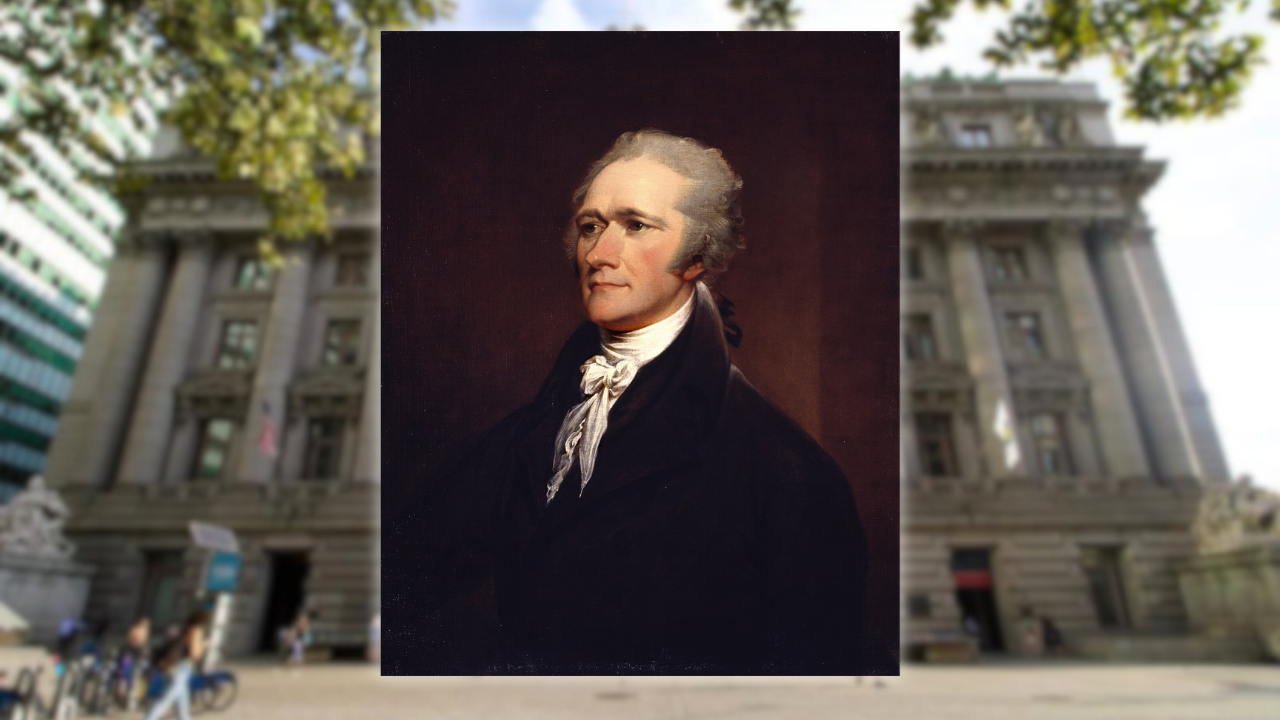
Sunday, June 14th at 2 pm: Hear the true stories and visit the real location that inspired Broadway's hit musical about this famous founding father.
⭐ FREE for Insider or Explorers - Learn More
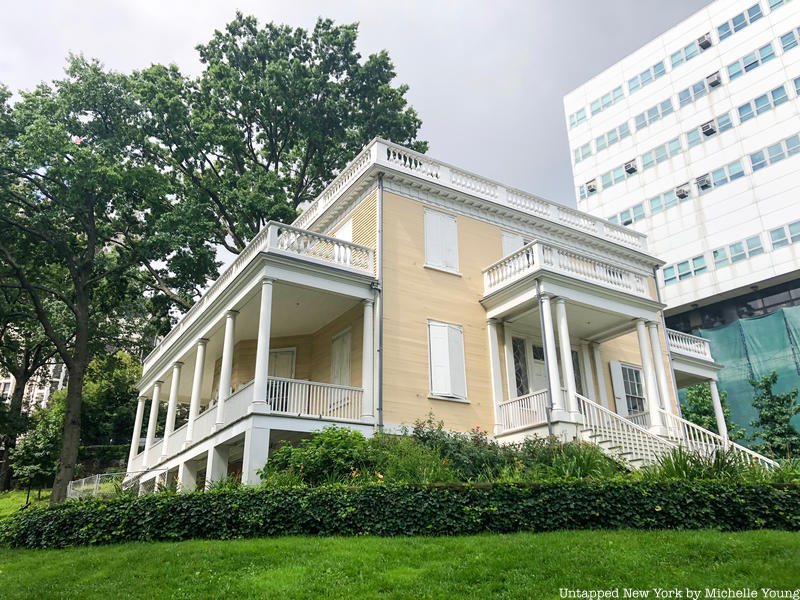
Originally built on 32 acres of land in upper Manhattan, Hamilton Grange has since moved in response to the growth of New York City (something not too uncommon here!). Initially located at what is currently 143rd Street until 1889, Hamilton Grange was moved a half block east and two blocks south. It was here that the house survived until 2008 when National Memorial officials moved the home to St. Nicholas Park, a location within the 32 acres of land on which Hamilton Grange was originally located.
During the first relocation, the original porches and staircase were removed and the front entrance was boarded up. However, the house was restored to its original condition when it moved to its current location. During this second relocation, it was lifted ten feet in the air and moved down the street. Although the home is oriented so it can have a better view from the street, it appears nearly as it did when it was built in 1802.
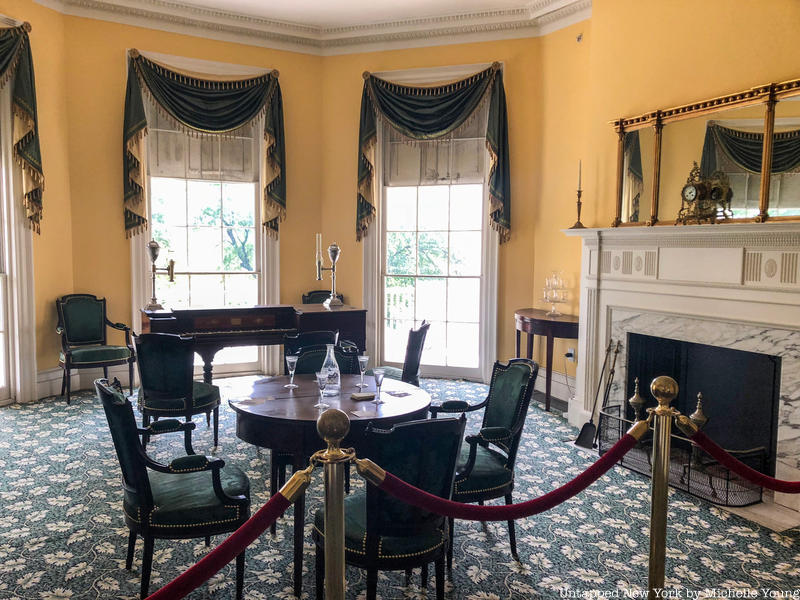
Although Hamilton frequented significant public spaces, such as the First Bank of the United States and Federal Hall on Wall Street, Hamilton Grange is the only property Hamilton owned. After marrying Elizabeth Schuyler, he moved into the Schuyler Mansion in Albany, New York. From 1780 to 1802, he often spent time here with his family.
However, as an influential politician in the city of New York, Hamilton needed his own country home. This is why he commissioned Hamilton Grange in a location that was once nine miles north of city limits. After the home was completed, Hamilton moved there with Elizabeth and their seven children. Their eighth child, Philip Hamilton died in a duel a year before the home was finished.
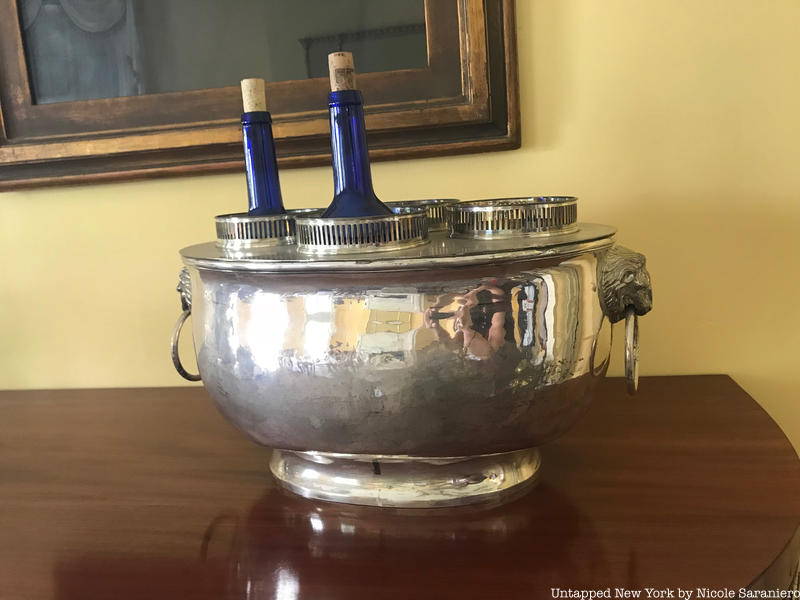
Various objects from Hamilton’s life sit in Hamilton Grange for visitors to see. In addition to a Sheraton Mahogany Pianoforte given to one of Hamilton’s daughters by Angelica Schuyler Church, a silver cooler gifted to Hamilton by George Washington is also in the Grange. The cooler, sandwiched between two silver lions holding pendant ring handles, is now worth $400,000 to $600,000.
On the front of the cooler are the words “I pray you to present my best wishes, in which Mrs. Washington joins me to Mrs. Hamilton, and the family, and that you would be persuaded that with every sentiment of the highest regard,
I remain your sincere friend, and affectionate humble servant,” inscribed in the silver. You can also find tributes to Hamilton in other locations in New York City, such as a statue of him in Central Park and the Hamilton Fountain in Riverside Park.
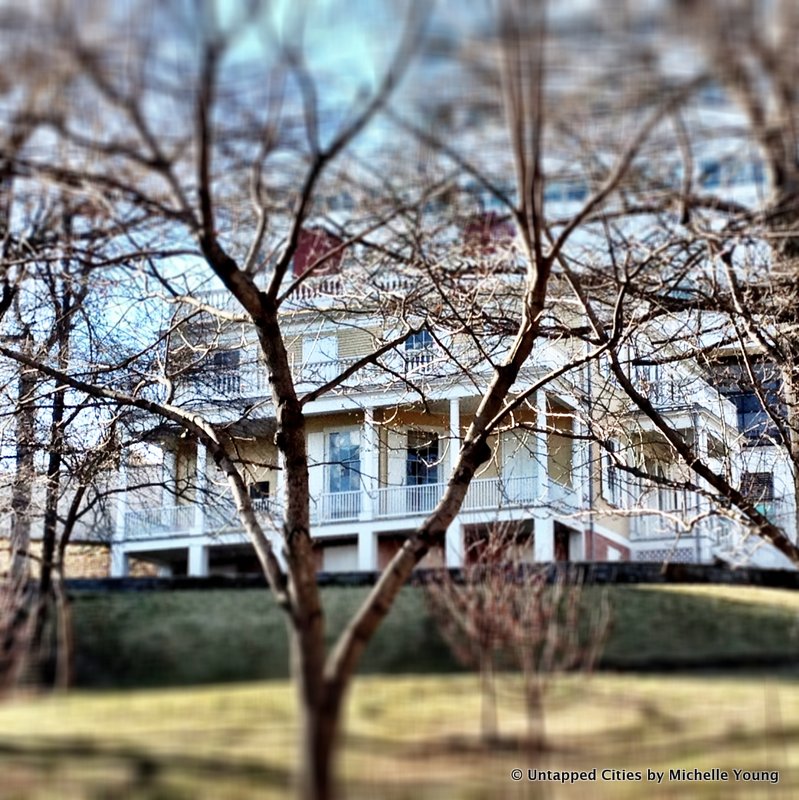
Hamilton was born in the West Indies, but had Scottish roots. James Hamilton, his father, was born in Scotland and later moved to the West Indies where he had an affair with Rachel Fawcett Lavien who had Hamilton out of wedlock. Hamilton named the Grange with his father in mind, who was a member of the Hamiltons of Grange in Scotland.
Alexander Hamilton and Elizabeth Pollock, Hamilton’s grandparents, resided in the Kerelaw Castle. Following Hamilton’s death, many of his descendants visited this castle in his honor, noting the stone walls covered in ivy. Although this ivy contrasts with the pastel yellow exterior of Hamilton’s Grange, both styles exhibit their own nobility.
This article is available to Supporter tier members and higher. Join for just $5/month to unlock 12,000+ stories about New York City.
Become a SupporterSubscribe to our free newsletters
Free Newsletters
Get the best stories and things to do sent straight to your inbox.
