
Things to Do
Grand Central Nightcap Tour
Make a toast to NYC's iconic train terminal on our brand new nighttime experience!
Make a toast to NYC's iconic train terminal on our brand new nighttime experience!

Learn about the history of this grand estate in Pelham Bay Park, which dates back to 1654!
Learn more about the Dîner en Blanc, a pop-up culinary event that brings thousands of New Yorkers to a surprise dining destination!


See remnants of 1880s museum buildings built into the modern galleries!


The Metropolitan Museum of Art is a Frankenstein of a building. Since moving to Fifth Avenue nearly 150 years ago, 21 different structures have been built to create the sprawling museum we see today. It all started with one building in 1880 and the first addition was built in 1888. These structures are still embedded within the museum today and their formerly exterior facades are now visible inside the galleries.
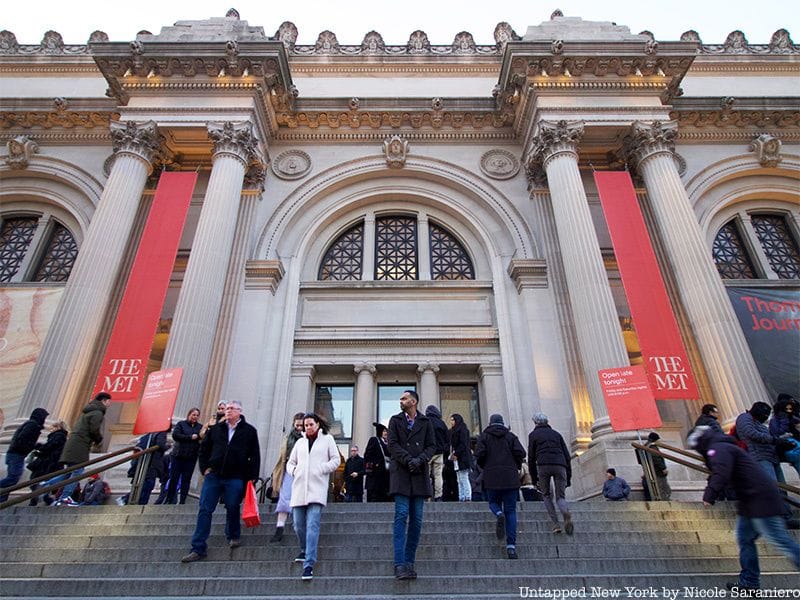
Multiple Dates at 10:30 am ET: Encounter breathtaking masterpieces and overlooked treasures as you uncover The Met's hidden corners with an expert guide.
Calvert Vaux and Jacob Wrey Mould, both architects who worked on Central Park, were commissioned to design the first building at The Met's current site, which is it's third location. The museum was first housed in a brownstone at 681 Fifth Avenue and then a mansion at 128 W 14th Street.
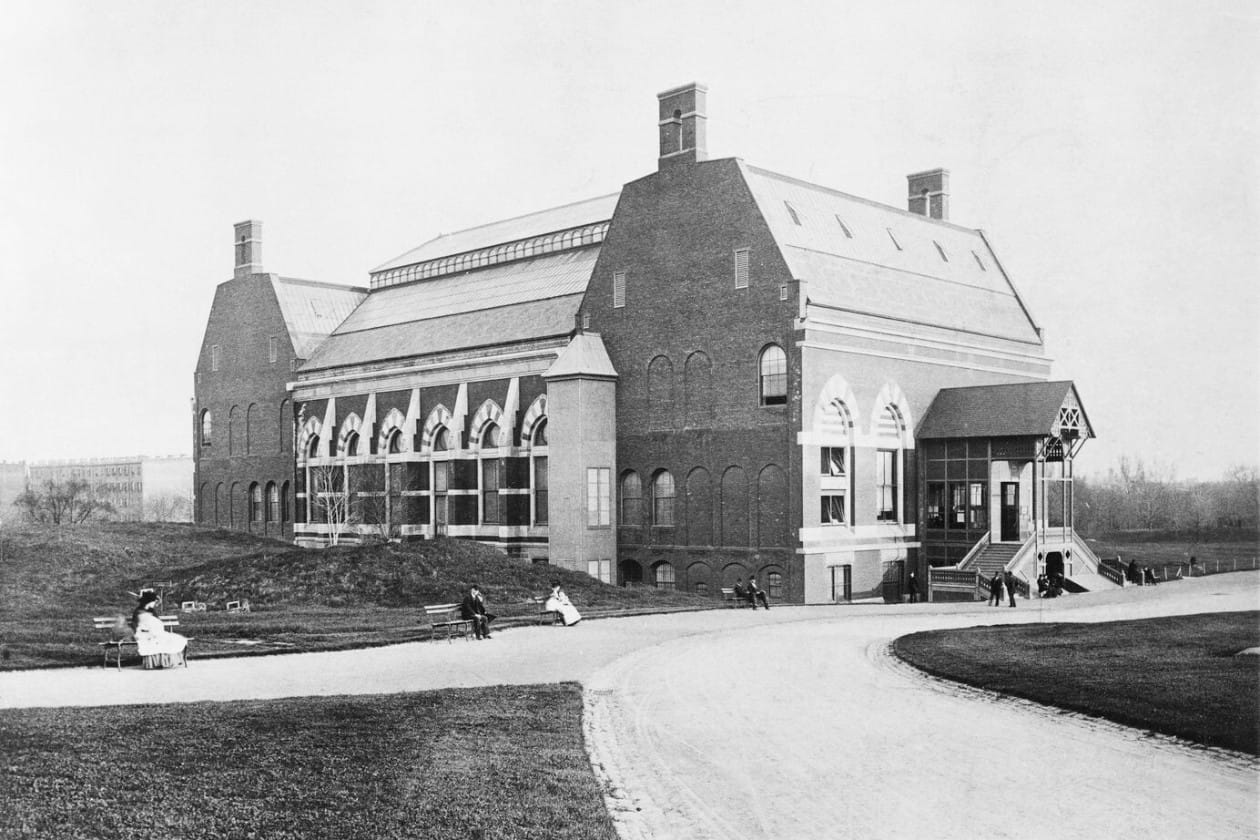
Vaux and Mould had a master plan for the museum, which you can see on The Met's website, but only one building from that plan was constructed. You can tell from the image above that the two bare brick facades on either end were intended to be covered by connecting wings.
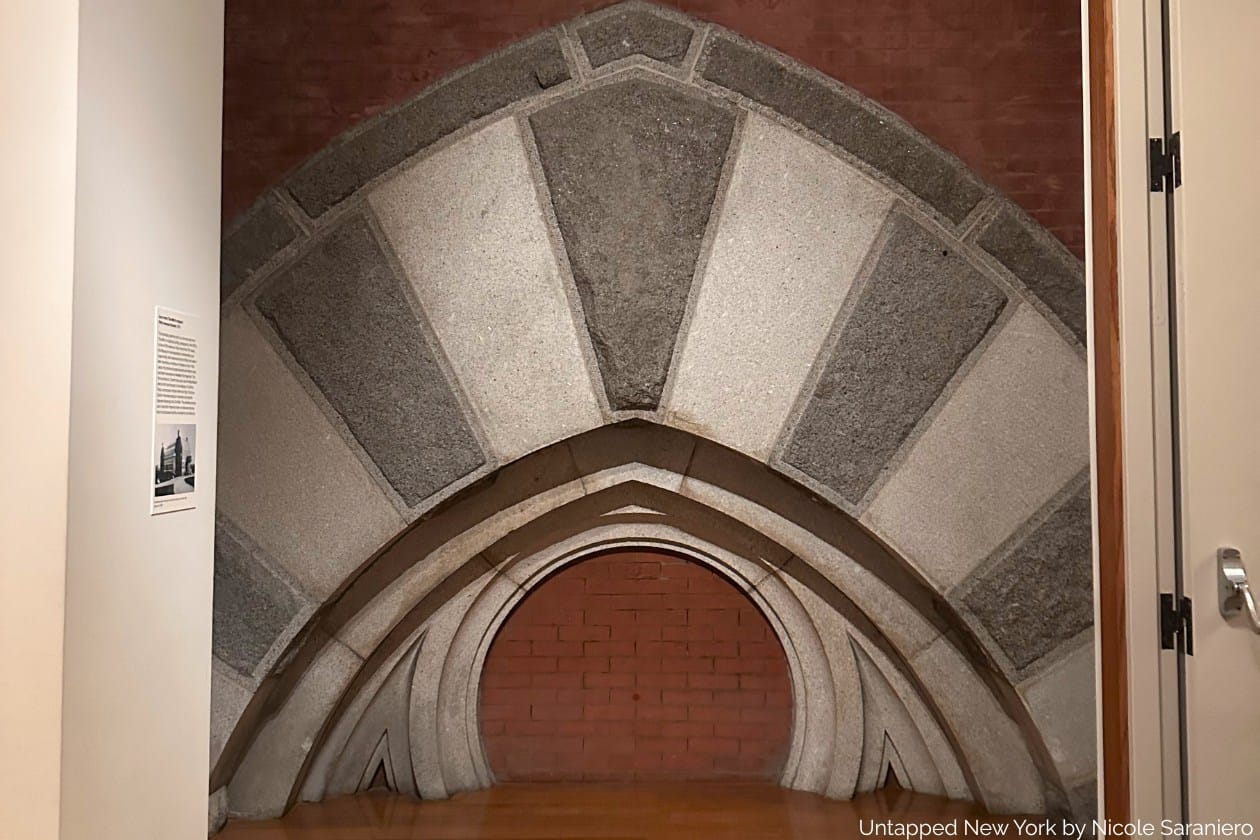
The two architects designed the museum in the High Victorian Gothic or Ruskinian Gothic style. This is characterized by polychromatic masonry, pointed arches, and other influences of Italian Romanesque and Gothic architecture. Those multi-colored arches the key to finding pieces of it today.
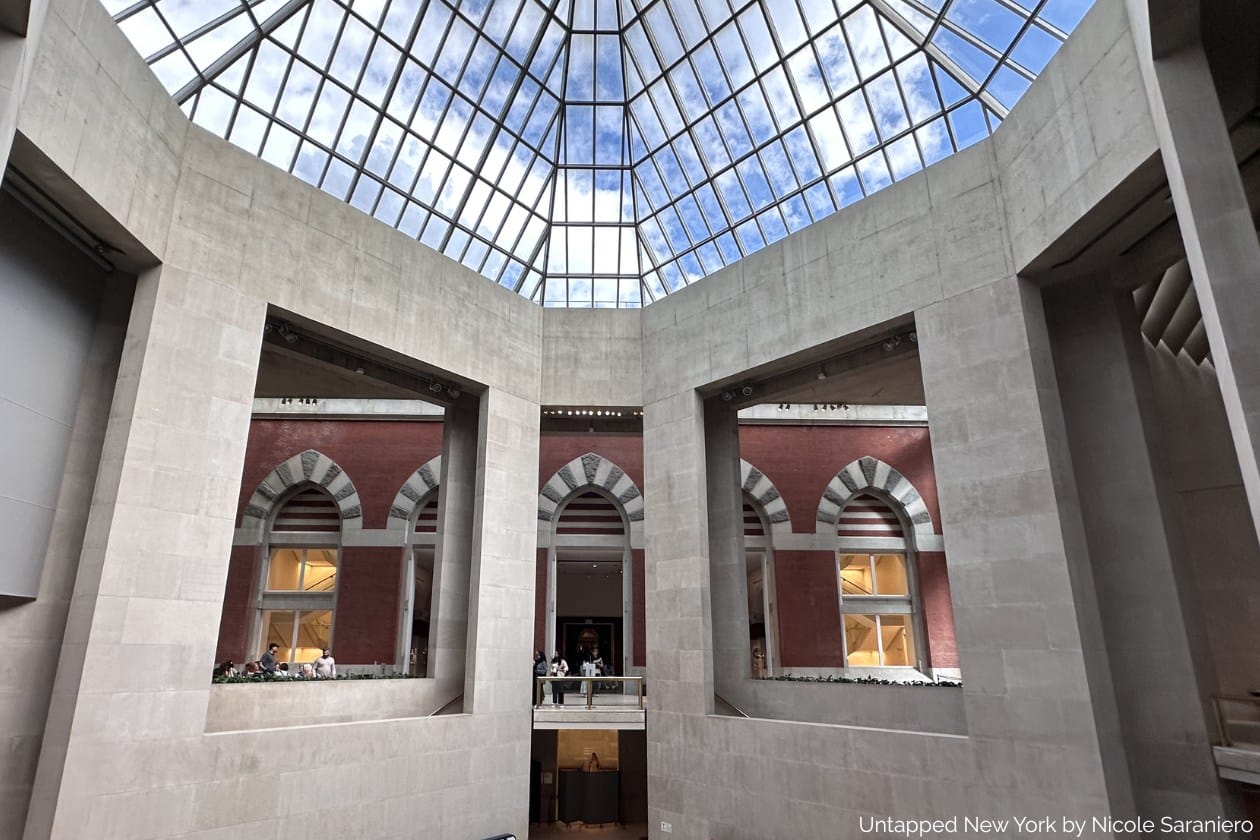
The largest portion of the original structure still visible is the former west facade. You'll find this in The Robert Lehman Wing, which opened in 1975.
Another small portion of the Vaux and Mould building is tucked away at the top of the grand staircase in The Robert Wood Johnson Jr. Gallery. Go up the stairs and turn left, then look to your right at the start of the exhibit. This used to be a window facing Fifth Ave. The circular portion once filled with glass has been bricked in.
In a museum bulletin from 1995, Morrison H. Heckscher, art historian and former Lawrence A. Fleischman Chair of the American Wing, writes an architectural history of The Met (a fascinating read!). In it, Heckscher reveals, "The narrow corridors at either side of the Grand Staircase lead through the original facade's windows into the Medieval tapestry hall, one of two sculpture galleries that opened directly onto the main hall, now the Medieval Sculpture Hall." He also notes that the striking black, white, and red floor of the Medieval Europe Gallery (Gallery 304) is from the original structure.
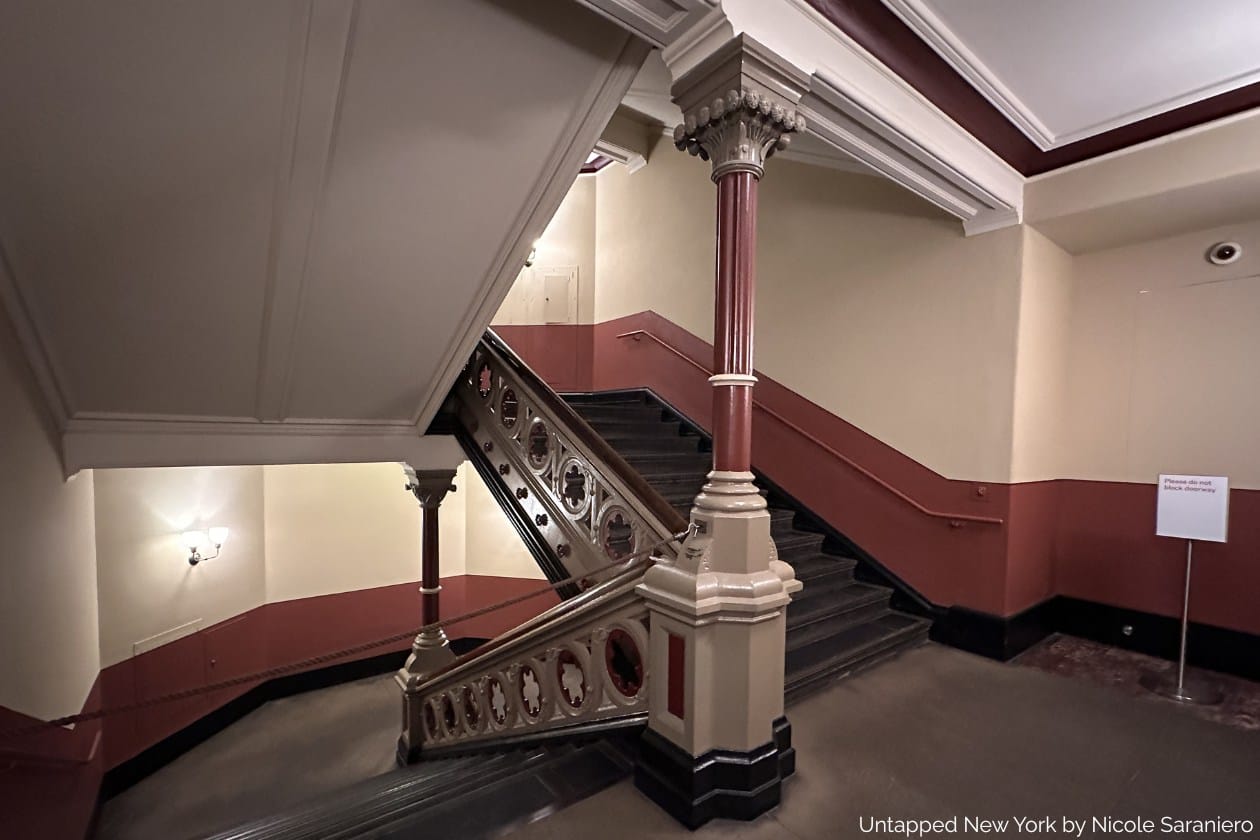
Two more evident remnants of the building can be found on either side of the Medieval galleries in the stairwells. These original staircases have ornate columns and railings that were repainted in Victorian colors in the 1990s.
The first extension of the museum, a new south wing, opened in 1888. Instead of continuing with Vaux and Mould's master plan, the museum's executive committee hired civil engineer and founding museum trustee Theodore Weston to design the addition. With the opening of this new wing, the main entrance moved from Fifth Ave (East) to the Central Park (South) facade.
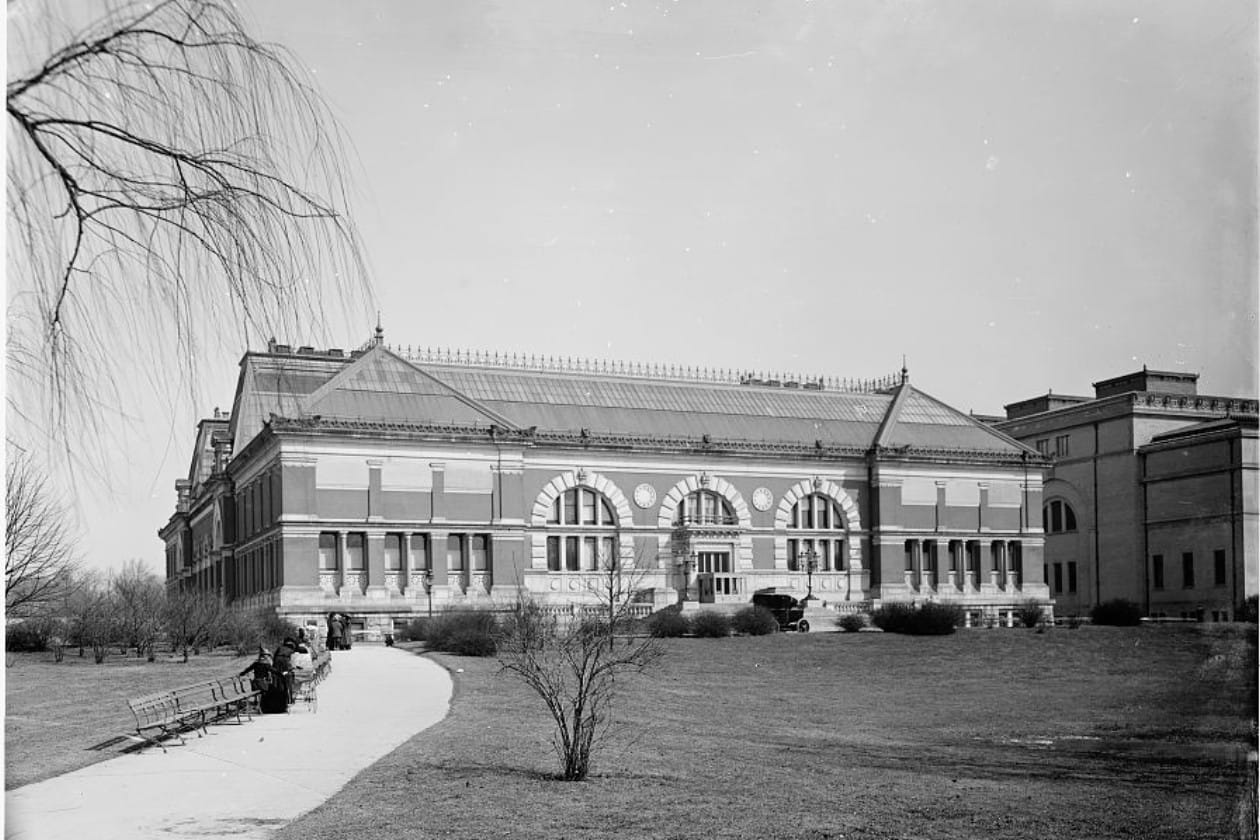
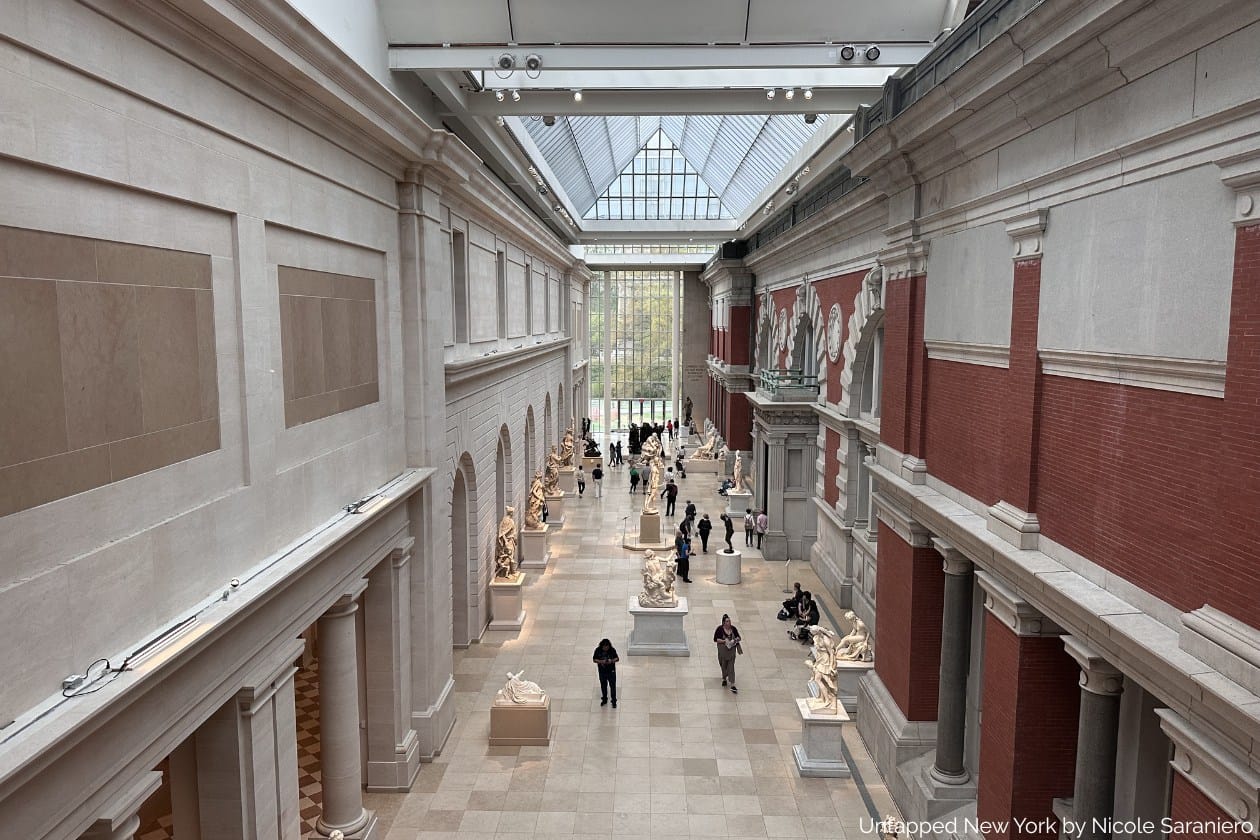
You can see the 1888 entrance to the museum inside The Carroll and Milton Petrie European Sculpture Court. This south facade is the only visible exterior remnant of Weston's addition. A great view can be seen from the second floor looking down into the sculpture court (just keep walking after you've visited the 1880 remnant). Heckscher writes that some pieces of the molded plaster cornice and red marble floors of the 1888 galleries can be found in the current galleries of Italian and French Renaissance decorative arts.
Join us on an upcoming Met Museum Insider Tour to see the remnants for yourself and uncover more secrets!
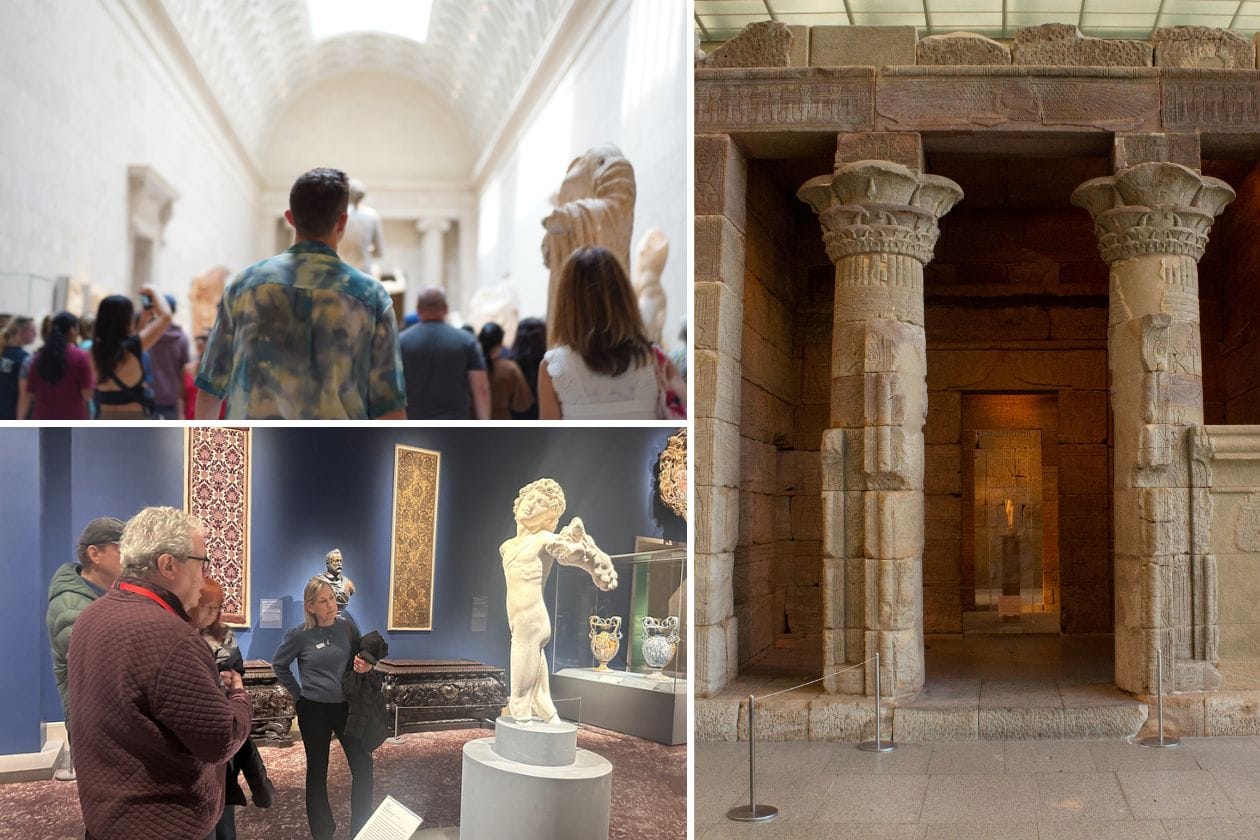
Multiple Dates at 10:30 am ET: Encounter breathtaking masterpieces and overlooked treasures as you uncover The Met's hidden corners with an expert guide!
Subscribe to our free newsletters
Free Newsletters
Get the best stories and things to do sent straight to your inbox.
