
Insiders Events
The Guastavino Vaults of St. John the Divine Tour
Explore the Guastavino tilework of NYC's largest Gothic cathedral from above and below!
Explore the Guastavino tilework of NYC's largest Gothic cathedral from above and below!
Get an inside look at the FDNY's Marine Division with author David A. Rocco!

Toast to a yearlong celebration of the hotel's 100th anniversary with a special access event featuring the architect's great-granddaughter!

Meet the Italian immigrant who was making edible ice cream cups before the St. Louis World's Fair!


The founding myth of the ice cream cone is that it was an impromptu creation made at the St. Louis World's Fair in 1904. However, years before the fair, ice cream sellers in New York and New Jersey came up with their own edible methods of keeping ice cream contained. So what's the real story behind this beloved summer treat? We dug into the archives of the Hoboken Historical Museum to find out.
The story goes that an ice cream vendor and a waffle vendor were set up next to each other at the St. Louis World's Fair. When the ice cream vendor ran out of dishes, he turned to the waffle maker, took one of the freshly baked treats, twisted it into a cone shape, then plopped his ice cream inside. The ice cream cone was born.
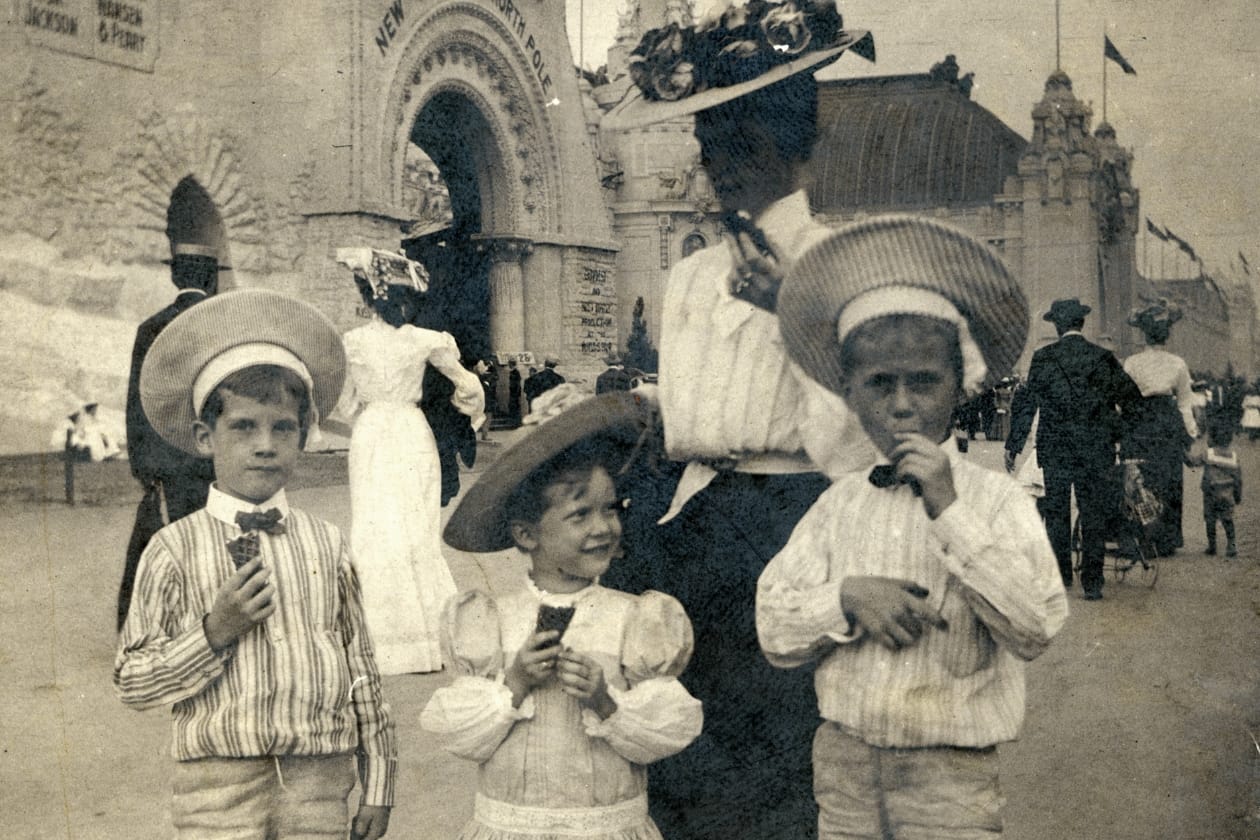
In the photo above, you can see that fairgoers undoubtedly enjoyed ice cream cones at the fair (they were referred to at the time as cornucopias), but the spur of the moment creation story has since been debunked. Multiple people have claimed to be or have retroactively been credited as the ice cream vendor or the waffle maker. Most accounts name Syrian concessionaire Ernest A. Hamwi as the waffle maker. Hamwi was selling selling Zalabia, a thin, waffle-like pastry, at the fair. Historians at the Missouri History Museum however say there is no evidence to confirm this ice cream-meets-waffle story.
After the fair, many ice cream makers, confectioners, and bakers, including Hamwi, began producing ice cream cones. Though these crispy containers were certainly popularized by the fair, they were actually invented earlier.
Before St. Louis-style ice cream cones swept the nation, vendors used all kinds of receptacles to disperse their creamy, cold, confections. From tiny glasses to wax paper. Glasses could easily break and needed to be washed between customers. Wax paper was flimsy and sloppy. An edible holder that could keep the ice cream neatly contained and be easily disposed of (aka eaten) would solve all of these problems. It turns out, local ice cream vendors in New York and New Jersey were on the case.
One such innovator was Italo Marchiony. Marchiony was an Italian immigrant who arrived in America in 1895. According to an article written by his daughter, Jane Marchiony Paretti, for the Hoboken Historical Museum, he supported himself by selling lemon ice and ice cream out of a pushcart on Wall Street.
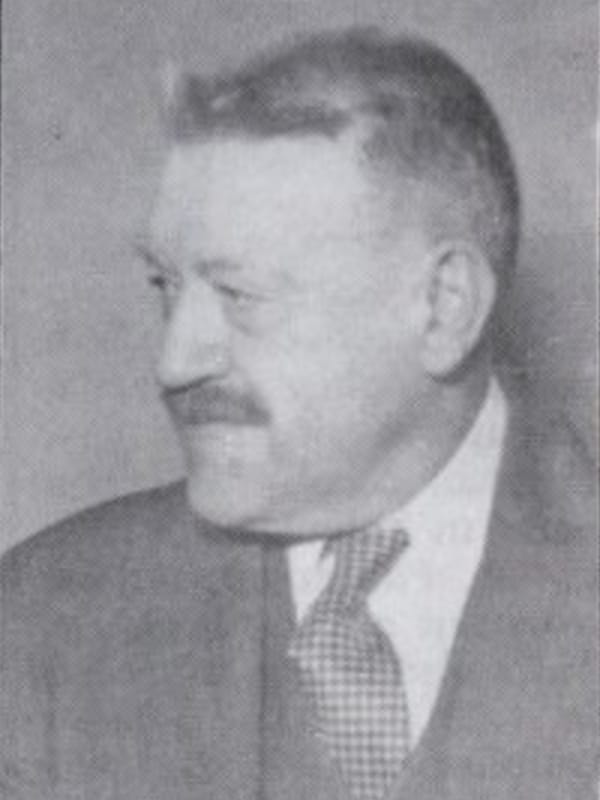
Tired of the hassle of trying to keep glass bottles clean and unbroken, Jane writes, he began to make cups out of waffles as early as 1896. To speed up production, he invented "a molding apparatus for forming ice cream cups and the like," and obtained a patent for the device in 1903. Batter was poured into the mold and formed into "particular and unusual shapes." The molds allowed for 10 cups to bake at one time.
These new ice cream cups were a hit and Marchiony's business sky rocketed. He manufactured the cups at a factory on Grand Street in Hoboken, New Jersey. At the height of success, Marchiony's factory churned out "millions each month," according to a 1913 New York Times article. Sadly, the factory burned down in 1934.
Ice cream was a family business for the Marchionys. Italo's cousin, Frank Marchiony, was a Brooklyn-based ice cream maker with his own patent on an edible ice cream cup mold. The cousins went to court over who had the right to produce these cups. While the courts originally sided with Frank, a Federal Court later decided that everyone had the right to produce ice cream cup molds.
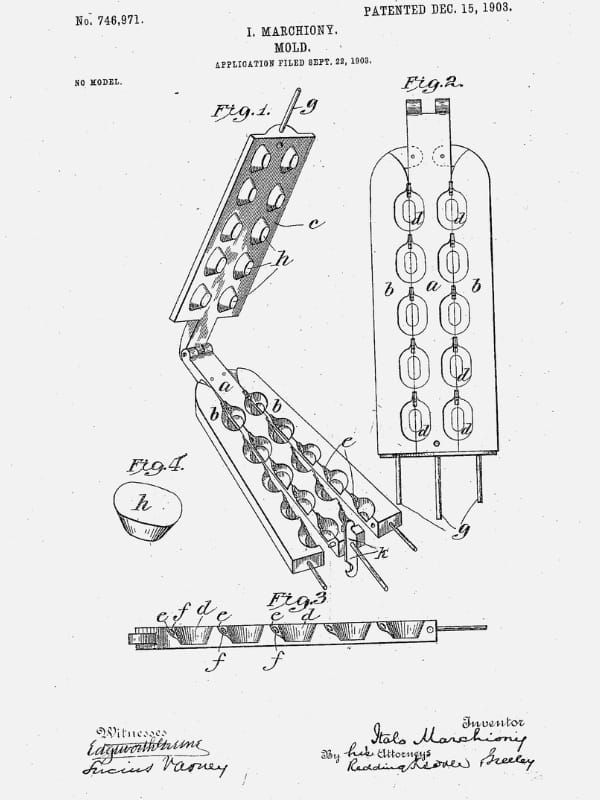
“While several individuals have been credited with inventing the ice cream cone, Italo Marchiony remains one of the strongest contenders because he didn't just popularize the idea—he patented a mold for making edible pastry cups in 1903, providing documented evidence of his innovation, says Robert Foster, Executive Director, Hoboken Historical Museum. "His story is also a reminder of Hoboken's role as a gateway city, where immigrants brought ideas, ambition, and entrepreneurship that helped shape American culture."
Italo Marchiony died in the summer of 1954 at the age of 86. After his death, his family ensured that his legacy as the inventor of the ice cream cone stayed alive. His children and grandchildren appeared in local newspapers extolling their predecessor's innovation.
"At the turn of the 20th century, Hoboken was a remarkably fertile ground for innovation," says Foster, "It was a bustling port city, a transportation hub, and home to a diverse population of newcomers from around the world. Many first-generation immigrants came here not simply to build a better life for themselves, but to create opportunities for the generations that would follow. Marchiony's story is a perfect example of that spirit. He arrived in America, built a successful business through ingenuity and hard work, and helped leave a lasting mark on American culture. His story reflects the aspirations of countless immigrant families who saw Hoboken as a place where opportunity, perseverance, and innovation could create a brighter future.”
When we walk into an ice cream shop today there are a variety of different cone shapes to choose from and we can thank Marchiony, Hamwi, and others for their contributions.
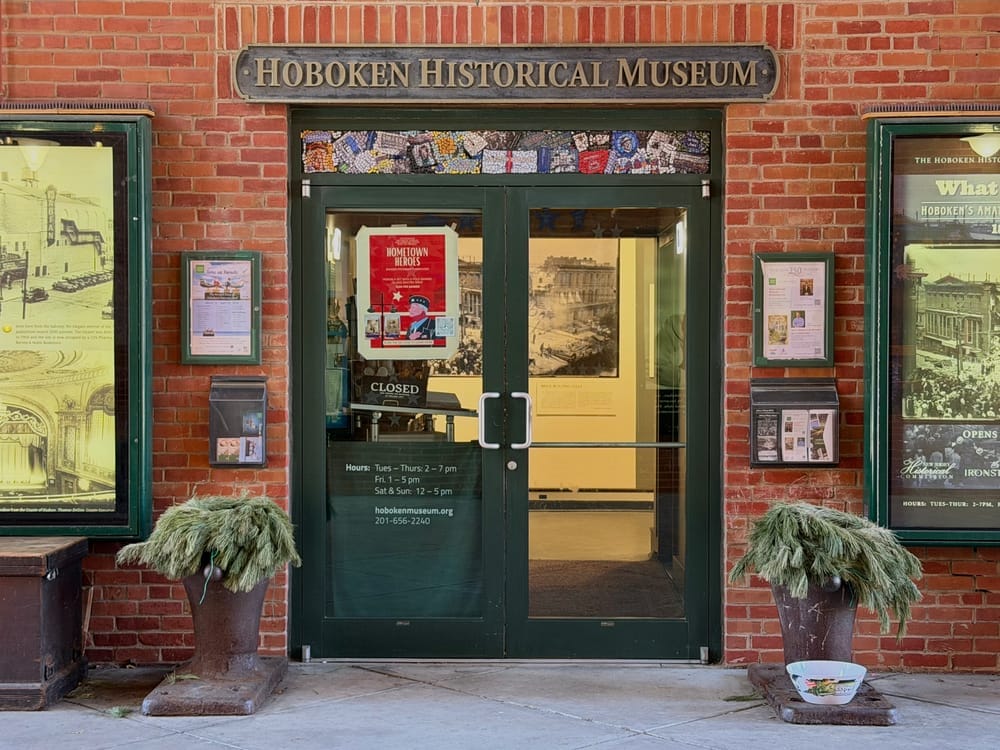
Hoboken, where Marchiony manufactured his ice cream cones, is home to many groundbreaking firsts, from the first Zipper invented in 1913 to the first officially recorded, organized game of baseball played on Hoboken’s Elysian Field on June 19, 1846.
You can dive further into the fascinating history of Hoboken at the Hoboken Historical Museum. Admission is just $5 and the museum is open Tuesday through Thursday from 2 pm to 7 pm and Friday through Sunday from 12 pm to 5 pm at 1301 Hudson Street, Hoboken.
Untapped New York Insiders recently took a tour of the neighborhood with the and the Museum and the Hoboken Business Alliance. Join the waitlist to be part of the next one and get a sneak peek below:
Subscribe to our free newsletters
Free Newsletters
Get the best stories and things to do sent straight to your inbox.